

Last Updated on August 11, 2026 by Jake Barkley
Are you worried about your dog’s health, even after they’ve been vaccinated? It’s a common concern among pet owners.
You love your furry friend and want to ensure they’re safe from dangerous diseases like rabies. But here’s a question that might linger in your mind: Can a vaccinated dog still get rabies? This topic taps into a core human need for safety and peace of mind, especially when it comes to our beloved pets.
By understanding the facts, you can make informed decisions and feel confident about your pet’s protection. Ready to uncover the truth and put your worries to rest? Let’s dive into the details and clear up any misconceptions.

Credit: todaysveterinarypractice.com
Rabies Vaccination Effectiveness
Rabies is a deadly viral disease affecting mammals, including dogs. Vaccination plays a crucial role in protecting dogs from this disease. Understanding how effective rabies vaccines are can provide peace of mind to pet owners.
How Rabies Vaccines Work
Rabies vaccines stimulate the dog’s immune system. The vaccine introduces an inactive form of the virus. This helps the dog’s body recognize and fight off the real virus if exposed. Vaccinated dogs develop antibodies that neutralize the rabies virus.
Protection Levels
Rabies vaccines are highly effective. Most vaccinated dogs build strong immunity against the virus. Studies show that rabies vaccines offer up to 100% protection. Regular boosters ensure continued immunity. Dogs need periodic booster shots to maintain their protection level.
Possible Limitations
No vaccine is completely foolproof. Some dogs may not respond fully to the vaccine. Factors like age, health, and vaccine type can affect effectiveness. It’s rare for vaccinated dogs to get rabies, but not impossible.
Importance Of Vaccination
Vaccination is the best defense against rabies. It protects not only your dog but also your family. Rabies is transmitted through saliva, often via bites. Vaccinated dogs reduce the risk of rabies spreading.
Common Myths About Rabies
A vaccinated dog rarely gets rabies due to the effectiveness of vaccines. Yet, no vaccine guarantees 100% protection. Regular boosters and vet check-ups are crucial to ensure your pet’s safety.
Rabies is a topic that often stirs up fear and misinformation. Understanding the truth about rabies is crucial for every pet owner. Many myths circulate about rabies, especially regarding vaccinated dogs. These myths can lead to unnecessary panic or neglect of essential precautions.
Myth 1: Vaccinated Dogs Are Completely Safe From Rabies
Vaccination greatly reduces the risk of rabies, but no vaccine offers 100% immunity. Just like humans get flu shots and might still catch a cold, dogs can encounter rabies under rare circumstances. Maintaining regular vaccinations and keeping an eye on your dog’s health is essential.
Myth 2: Rabies Is Only Spread Through Bites
While bites are the most common transmission method, rabies can spread through saliva contact with open wounds or mucous membranes. Imagine your dog sniffing a rabid animal carcass; saliva exposure could pose a risk. Always supervise your pet during outdoor activities.
Myth 3: Rabies Is A Rural Problem
Many believe rabies is confined to rural areas, but urban environments are not exempt. Wildlife such as bats, raccoons, and foxes can bring rabies into cities. Regular check-ups and staying informed about local wildlife reports can help protect your pet.
Myth 4: Rabies Symptoms Are Instantaneous
Rabies symptoms can take weeks to appear. During this incubation period, infected animals may seem healthy. Knowing this can prevent overlooking early signs and delay in seeking veterinary help.
Myth 5: Rabies Is Curable
Rabies is almost always fatal once symptoms appear. Prevention through vaccination is your best defense. This stark reality stresses the importance of staying vigilant with your pet’s health regimen. Addressing these myths head-on helps clear confusion and emphasizes the importance of vaccinations. As a responsible pet owner, staying informed can make all the difference. Would you rather act on myths or safeguard your beloved pet with facts?
Facts About Rabies Transmission
Rabies is a viral disease that affects the nervous system. It is often fatal once symptoms appear. Understanding how rabies spreads is crucial for prevention. Knowing the facts can help keep your pet safe.
How Rabies Spreads
Rabies spreads through the saliva of infected animals. A bite is the most common way for the virus to enter the body. Scratches or open wounds exposed to infected saliva can also transmit the virus.
Animals That Can Carry Rabies
Wild animals like bats, raccoons, and skunks can carry rabies. Domestic animals such as dogs and cats can also get infected. Contact with these animals should be handled carefully.
Why Vaccination Is Key
Vaccination is the best defense against rabies. It protects your dog from getting infected. Even vaccinated dogs are advised to avoid contact with wild animals.
Understanding Rabies Symptoms
Early symptoms in animals include fever and behavioral changes. As the disease progresses, paralysis and aggression may occur. Recognizing symptoms early can save lives.
Human Protection Measures
Always report animal bites to health officials. Seek medical attention immediately if bitten by a potentially rabid animal. Vaccination for humans is also available and effective.
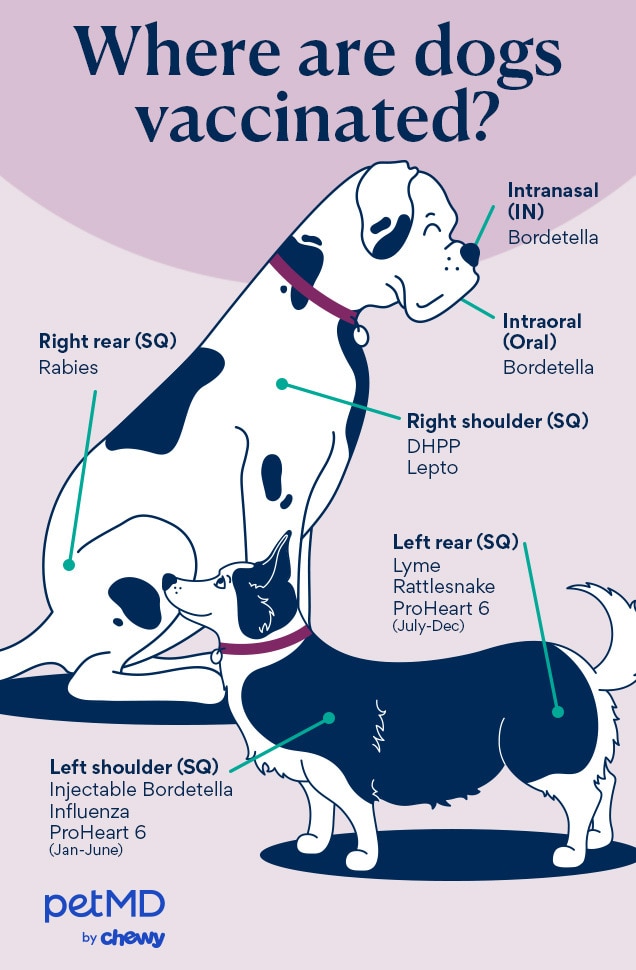
Credit: www.petmd.com
:strip_icc()/how-long-are-rabies-shots-good-3385625_FINAL-b3b90b78675e4a9ca4102b405fecf74c.jpg)
Credit: www.thesprucepets.com
Frequently Asked Questions
Can Rabies Vaccine Prevent All Infections?
Rabies vaccines are highly effective. They significantly reduce the risk of rabies infection. Regular boosters are important.
How Long Does Rabies Vaccine Last In Dogs?
The rabies vaccine usually lasts one to three years. Check with your vet for specific recommendations.
Can Vaccinated Dogs Spread Rabies?
Vaccinated dogs are unlikely to spread rabies. Vaccination helps protect them and reduces transmission risks.
Do Dogs Need Rabies Vaccine Boosters?
Yes, dogs need regular rabies boosters. This ensures continued protection against rabies infection.
What Are Rabies Symptoms In Vaccinated Dogs?
Symptoms are rare in vaccinated dogs. Look for unusual behavior, drooling, or aggression. Seek vet advice immediately.
Conclusion
Vaccinated dogs rarely get rabies, but no vaccine offers 100% protection. Regular check-ups help ensure your dog stays healthy. Vaccines greatly reduce the risk of rabies. Keeping vaccinations up-to-date is crucial. Protecting your dog also protects your family and community.
Consult your vet for the best vaccination schedule. Early prevention is key. Always monitor your dog’s health and behavior. Responsible pet ownership saves lives. Stay informed, and keep your furry friend safe. Rabies is serious, but prevention is simple. Your actions make a difference.