

Last Updated on August 11, 2026 by Jake Barkley
Have you ever caught your furry friend sniffing around your rabbit’s food bowl and wondered, “Can dogs eat rabbit food?” You’re not alone.
As a pet owner, you want the best for your dog, and this curiosity is just a part of ensuring their health and happiness. But before you let your dog indulge in those crunchy pellets, it’s crucial to know what’s safe and what’s not.
By understanding the dietary needs of your dog, you can avoid potential health risks. Keep reading to discover the surprising facts about rabbit food and what it means for your dog’s diet. You might find that the answer isn’t as straightforward as you think!
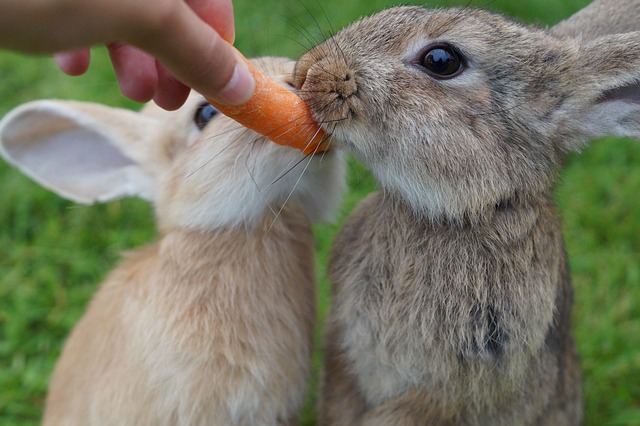
Credit: hastingsvet.com
Nutritional Content Of Rabbit Food
Dogs can nibble on rabbit food, but it’s not ideal. Rabbit pellets are rich in fiber but lack essential nutrients for dogs. Feeding dogs rabbit food regularly may lead to nutritional imbalances.
When pondering the nutritional content of rabbit food, you might wonder if it’s suitable for your furry friend. Rabbit food, primarily consisting of hay, vegetables, and pellets, is packed with nutrients tailored for rabbits. But how does this translate to a dog’s diet? Let’s dive into the specifics to understand better.
What’s In Rabbit Food?
Rabbit food generally contains a mixture of fibrous hay, fresh vegetables, and specially formulated pellets. Hay like timothy or alfalfa is rich in fiber, helping maintain a healthy digestive system. Vegetables such as carrots and leafy greens provide vitamins and minerals that are essential for a rabbit’s well-being.
Fiber-rich Ingredients
Dogs, unlike rabbits, are not strict herbivores. While fiber is crucial for rabbits, dogs don’t need as much. A dog’s diet is more protein-focused, so while small amounts of fiber can aid digestion, too much can lead to upset stomachs.
Vitamins And Minerals
Rabbit food contains a variety of vitamins and minerals. For example, vitamin A from carrots and calcium from leafy greens. While these nutrients are beneficial, dogs require different proportions compared to rabbits. Ensuring your dog gets a balanced diet tailored to their needs is crucial.
Potential Risks
Feeding rabbit food to dogs might seem harmless but can pose risks. High fiber can cause digestive issues in dogs, leading to diarrhea or constipation. Also, rabbit pellets often contain ingredients not suitable for dogs, such as alfalfa, which is high in calcium.
Personal Insight
I once gave my dog a small piece of carrot from my rabbit’s stash as a treat. While he enjoyed it, his stomach didn’t. It was a reminder that what’s healthy for one pet isn’t always for another. Have you had similar experiences with your pets? Incorporating insights about the nutritional content of rabbit food helps in making informed decisions about your dog’s diet. Understanding these differences ensures your dog stays happy and healthy. Are you considering adding any new foods to your dog’s diet? Always remember to consult your vet first.
Credit: bestfriends.org
Potential Risks For Dogs
Rabbit food is generally safe for dogs but lacks vital nutrients for their health. Digestive issues may arise from consuming too much. Consult a vet before introducing new foods to your dog’s diet.
When considering whether dogs can eat rabbit food, it’s essential to understand the potential risks involved. While some rabbit foods might seem harmless, feeding them to your dog without proper knowledge can lead to health issues. Let’s dig into these potential risks and see what you should be aware of.
1. Nutritional Imbalance
Rabbit food is designed specifically for rabbits, whose dietary needs differ greatly from dogs. Rabbit pellets often contain high fiber content but lack essential nutrients dogs require. Feeding your dog rabbit food regularly may lead to nutritional deficiencies. Consider your dog’s needs. Dogs need a balanced diet with protein, fats, and specific vitamins. Rabbit food doesn’t provide this balance. It can disrupt your dog’s overall health if it becomes a regular part of their diet.
2. Digestive Issues
Have you noticed your dog experiencing tummy troubles after sneaking a bite of rabbit food? Dogs can have sensitive stomachs, and the high fiber content in rabbit food can upset their digestive system. Loose stools or diarrhea might occur if your dog eats too much rabbit food. Always monitor their stool consistency if they accidentally ingest rabbit food.
3. Choking Hazards
Rabbit pellets are small and hard. While they might seem harmless, they can pose a choking risk, especially for smaller dog breeds. Ensure your dog chews their food properly. If they eat too fast, rabbit pellets might be challenging to swallow safely. Always supervise your dog during mealtime to prevent any accidents.
4. Allergic Reactions
Just like humans, dogs can have allergies. Some ingredients in rabbit food might trigger an allergic reaction in your dog. Keep an eye out for signs such as itching, swelling, or hives. If you notice these symptoms, consult your vet immediately. Knowing your dog’s allergies can help you avoid these reactions in the future.
5. Behavioral Changes
Have you ever noticed your dog acting differently after consuming something unusual? Sometimes, introducing new foods like rabbit food can cause behavioral changes in dogs. They might become lethargic or unusually hyperactive. Monitoring your dog’s behavior after they consume rabbit food can provide insights into how it affects them. By understanding these risks, you can make informed decisions about what your dog eats. Always prioritize their health and well-being when introducing any new food. What experiences have you had with your dog’s diet? Have they ever consumed something unexpected? Share your story and insights in the comments below.
Safe Alternatives For Canines
Choosing the right food for your dog is crucial. Dogs have different dietary needs than rabbits. Rabbit food often contains ingredients that dogs shouldn’t eat. It’s important to know what alternatives are safe for your furry friend.
Safe Fruits For Dogs
Dogs can enjoy certain fruits. Apples, bananas, and strawberries are safe. These fruits provide vitamins and fiber. Always remove seeds and cores. They can be harmful.
Vegetables Your Dog Will Love
Many vegetables are healthy for dogs. Carrots and peas are excellent choices. They offer nutrients and are easy to digest. Avoid onions and garlic. They are toxic to dogs.
Protein Sources For Dogs
Proteins are vital for dogs. Chicken and turkey are great options. They are lean and nutritious. Eggs are also beneficial. Cooked eggs provide essential vitamins.
Grains That Are Safe For Dogs
Some grains are suitable for dogs. Rice and oats are digestible and nutritious. They support healthy digestion. Avoid grains like corn. They can cause allergies.
Credit: www.bluecross.org.uk
Frequently Asked Questions
Can Dogs Eat Rabbit Food Safely?
Dogs can eat some rabbit food. But not all. Vegetables like carrots are okay. Avoid foods with high fiber or seasonings.
What Vegetables In Rabbit Food Are Good For Dogs?
Carrots and lettuce are good. Dogs enjoy them. Ensure they’re fresh and washed. Never give spoiled veggies.
Are There Risks In Feeding Dogs Rabbit Food?
Yes, possible risks. High fiber can upset their stomach. Dogs need a balanced diet. Consult your vet first.
How Much Rabbit Food Can Dogs Eat?
Small amounts only. Treat rabbit food like a snack. Dogs need their regular meals. Balance is key.
Conclusion
Dogs can enjoy some rabbit food in moderation. Vegetables like carrots and peas are safe. These provide vitamins and fiber. Avoid onions and garlic; they are harmful. Always introduce new foods slowly. Watch for any allergic reactions. Consult a vet for personalized advice.
A balanced diet is crucial for your dog’s health. Treats should only be a small part of their diet. Dogs need a variety of nutrients. Keep their meals interesting and nutritious. Safe food choices lead to happy, healthy pets. Always prioritize their well-being and safety.