

Last Updated on August 11, 2026 by Jake Barkley
Have you ever noticed your furry friend dozing off in the backseat after a car ride? You might be wondering if car rides actually tire dogs out or if there’s more to it.
We’ll uncover the reasons behind your dog’s post-car-ride snooze. We’ll explore how the excitement of a ride, the soothing motion of the car, and even the anticipation of a destination play a role. This isn’t just about curiosity—understanding how car rides affect your dog can help you plan trips and outings that are enjoyable for both of you.
So, buckle up, and let’s dive into the fascinating world of car rides and canine relaxation.
Effects Of Car Rides On Dogs
Car rides can make dogs feel tired due to new sights and sounds. The motion of the car often relaxes them. Some dogs might nap after a drive, showing they’re a bit worn out.
Car rides can have varied effects on dogs, and understanding these can help you better manage your pet’s needs. Some dogs find car rides exhilarating, while others may feel anxious or uncomfortable. Let’s delve into how these journeys can impact your furry friend both physically and mentally.
Physical Exhaustion
Car rides can physically tire dogs, especially if they involve long distances. The motion of the vehicle requires them to balance and adjust constantly, which can be tiring over time. Think of it like a workout session that they didn’t sign up for. On a recent road trip, my Labrador, Max, seemed hyperactive at first, but after a few hours, he was napping peacefully. This is because the constant balancing act can tire them out, much like a walk or playtime.
Mental Stimulation
The sights, sounds, and smells encountered during a car ride provide significant mental stimulation. This sensory overload can be both exciting and exhausting. A short drive around the neighborhood can be akin to a mental adventure for your pet. Ask yourself, how often do you change your dog’s environment? A car ride might be the perfect opportunity to provide that needed variety.
Anxiety And Stress
Not all dogs enjoy car rides, and for some, it can be a source of stress. Symptoms like panting, whining, or excessive drooling can indicate anxiety. You may notice your dog is more tired due to the mental strain caused by stress. If your dog is anxious during rides, consider using calming aids or gradual exposure to shorter trips. Have you tried taking your dog on a short drive to a favorite park instead of directly to the vet? This can help create positive associations.
Opportunity For Bonding
Car rides can also serve as a bonding experience. Sharing an adventure, even a short drive, can strengthen your relationship with your dog. It’s a chance to create positive memories together. Consider how often you take these small opportunities to connect with your pet. A car ride with a favorite toy or treat can make all the difference.
Practical Tips For Car Rides
– Start with Short Trips: Gradually increase the distance to help your dog acclimate. – Create a Comfortable Space: Use a dog seatbelt or carrier to ensure safety and comfort. – Take Breaks: On longer journeys, make regular stops to allow your dog to stretch and relieve themselves. – Provide Water and Snacks: Keep your dog hydrated and fed, especially on lengthy trips. Understanding how car rides affect your dog can make these journeys more enjoyable for both of you. Have you considered how your dog experiences car rides, and what changes could make them more enjoyable?

Credit: www.amazon.com
Factors Influencing Dogs’ Reactions
Car rides can make dogs feel tired due to excitement and new experiences. Sounds and sights during rides often stimulate their senses. Longer trips may lead to exhaustion, needing rest afterwards.
Understanding the factors that influence how dogs react to car rides can help you make these journeys more enjoyable for your furry friend. Each dog is unique, and their response can vary based on several elements. Recognizing these factors can assist in tailoring a travel experience that suits your dog’s needs and temperament.
Previous Experiences With Car Rides
Dogs often form opinions based on past experiences. If your dog associates car rides with fun outings to the park, they’re more likely to be excited about the trip. On the other hand, if the car ride usually ends at the vet, your dog might feel anxious.
Dog’s Personality And Temperament
Just like humans, dogs have different personalities. Some dogs are naturally adventurous and enjoy the sights and sounds of a car ride. Others might be more reserved or sensitive to changes in their environment.
Physical Comfort During The Ride
Comfort plays a crucial role in how your dog reacts to car rides. Ensure your dog has a comfortable space to sit or lie down. Using a seatbelt harness or a pet carrier can help them feel secure.
Duration Of The Car Ride
The length of the journey can influence your dog’s response. Short, frequent trips can help your dog get used to car rides. On longer trips, make sure to take breaks for water and bathroom needs.
Presence Of Motion Sickness
Some dogs experience motion sickness, which can make car rides unpleasant. Signs include drooling, whining, or vomiting. If your dog shows these symptoms, consult your vet for possible solutions.
Noise And Environmental Factors
The noise level inside the car and outside can impact your dog’s reaction. Loud music or traffic sounds might stress some dogs. You might want to lower the volume or use calming music.
Presence Of A Familiar Scent Or Object
A familiar object, like your dog’s favorite blanket or toy, can provide comfort. This can make the car feel like a safe and familiar space. Considering these factors can lead to more enjoyable car rides for both you and your dog. Have you noticed any specific factors affecting your dog’s reaction to car rides? Adjusting these elements might make all the difference.
Tips For A Stress-free Car Ride
Car rides can be exciting for dogs, but they can also be stressful. Ensuring a smooth journey helps keep your pet calm and happy. Simple strategies can make the experience enjoyable for both of you. These tips will prepare you for a stress-free car ride.
1. Create A Comfortable Space
Make the car feel like home. Use a cozy blanket or their favorite bed. Familiar items reduce anxiety and provide comfort.
2. Gradual Acclimation
Introduce your dog to the car slowly. Start with short trips around the block. Gradually increase the distance and duration. This builds their confidence and comfort.
3. Secure Your Dog
Safety is crucial. Use a pet seatbelt or carrier for secure travel. This prevents distractions and ensures your dog’s safety.
4. Regular Breaks
Plan stops on long trips. Let your dog stretch and relieve themselves. Short walks during breaks help burn off energy.
5. Avoid Feeding Before Travel
Avoid feeding your dog right before the trip. This can prevent motion sickness. A light meal a few hours prior is better.
6. Use Calming Aids
Consider natural calming aids like pheromone sprays. These products can help soothe anxious dogs.
7. Keep The Environment Calm
Maintain a calm environment inside the car. Play soft music to create a relaxing atmosphere. Avoid loud noises or sudden movements.

Credit: www.instagram.com
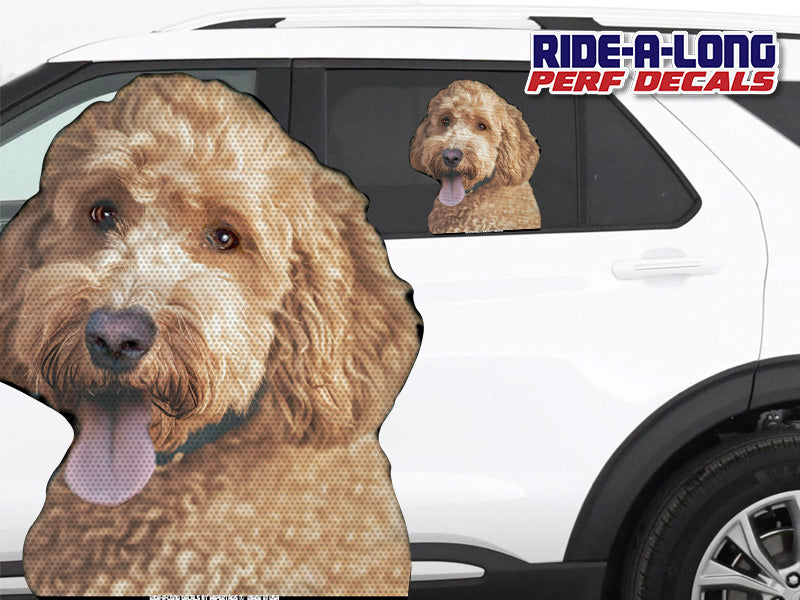
Credit: wipertagstore.com
Frequently Asked Questions
Do Car Rides Make Dogs Sleepy?
Yes, car rides can make dogs sleepy. The motion of the car often relaxes them.
Why Do Dogs Enjoy Car Rides?
Dogs enjoy car rides because of new sights and smells. It stimulates their senses.
How Long Should A Dog Car Ride Be?
Short car rides are best for dogs. Start with 10-15 minutes to prevent stress.
Can Car Rides Help With Dog Anxiety?
Yes, regular car rides can reduce dog anxiety. They become more familiar with the experience.
Conclusion
Car rides can tire dogs. Some dogs enjoy the ride, others feel anxious. The motion and new environment can exhaust them. It’s essential to watch your dog’s behavior. Offer breaks and water during long drives. Observe signs of stress. Panting or restless movements may indicate discomfort.
Ensuring a comfortable journey is important. A tired dog might sleep more after the ride. Every dog is different. Knowing your dog’s needs helps. Pay attention to what makes them relaxed. Safe and happy travels lead to a happier pet.
A well-rested dog is often a happier companion.