

Last Updated on August 11, 2026 by Jake Barkley
Have you ever watched your dog devour a meal and wondered how long it takes for their furry body to digest it? You’re not alone.
Understanding your dog’s digestion is crucial for their health and happiness. Just like you, they rely on their digestive system to absorb nutrients and maintain energy levels. But how does it all work? And what factors influence the process? In this post, you’ll discover the fascinating journey food takes through your dog’s body.
You’ll learn how various elements like diet, breed, and age play a role in digestion speed. This knowledge could be the key to optimizing your pet’s diet and enhancing their well-being. Stick around as we delve into the mechanics of canine digestion, offering insights that could transform your approach to your dog’s nutrition.
Credit: www.whole-dog-journal.com
Dog Digestive Process
The digestive process of a dog is fascinating and complex. Dogs have a unique system designed to break down food efficiently. Understanding this process helps in maintaining their health. Dog digestion involves several stages, each crucial for nutrient absorption. Let’s explore this process in detail.
Dog Digestive System Overview
A dog’s digestive system starts at the mouth and ends at the rectum. It includes the esophagus, stomach, intestines, liver, and pancreas. Each part plays a specific role in breaking down food. The mouth begins digestion through chewing and saliva. The esophagus transports food to the stomach, where acids and enzymes further break it down.
Role Of The Stomach
The stomach is vital in the digestion process. It uses strong acids to dissolve food into a semi-liquid form. This allows nutrients to become accessible. Food usually stays in the stomach for several hours. During this time, it breaks down into smaller particles.
Function Of The Small Intestine
The small intestine is where most digestion occurs. It absorbs nutrients and minerals from the food. Enzymes from the pancreas and liver assist in breaking down proteins, fats, and carbohydrates. The small intestine is long, providing ample space for nutrient absorption.
Large Intestine And Waste Removal
The large intestine focuses on absorbing water and electrolytes. It also compacts waste into feces. This waste is eventually expelled from the body. The entire digestive process can take anywhere from 8 to 10 hours.
Factors Affecting Digestion
Several factors affect digestion speed in dogs. These include age, breed, size, and diet. Puppies and smaller breeds may digest food faster. Larger dogs might take longer due to their size. The type of food also influences digestion time.
Factors Influencing Digestion Time
Several factors affect how long it takes a dog to digest food. Breed size, age, diet type, and health condition play crucial roles. Typically, digestion can range from 8 to 12 hours.
Understanding how long it takes a dog to digest food can be a bit like solving a puzzle. Each piece of the puzzle represents a factor that can influence digestion time. Knowing these factors helps you make informed choices about your dog’s diet and health.
Age And Size Of The Dog
A puppy’s digestive system runs on a faster track compared to an older dog. Younger dogs often digest food more quickly because their metabolic rate is higher. On the other hand, larger breeds may take longer due to the sheer size of their digestive organs.
Type Of Food Consumed
The kind of food your dog eats plays a crucial role. Dry kibble generally takes longer to digest than wet food. Foods high in protein and fat may also slow down the process compared to those rich in carbohydrates.
Meal Frequency And Portion Size
Feeding your dog smaller, more frequent meals can speed up digestion. Large meals can overwhelm the stomach, leading to slower digestion. Think of it as the difference between snacking and indulging in a buffet.
Activity Level
Active dogs tend to digest food faster. Physical activity stimulates the digestive system, much like how exercise affects human digestion. If your dog loves to play fetch, you might notice quicker digestion after playtime.
Hydration
Water plays a vital role in digestion. Well-hydrated dogs often have smoother digestion, as water helps break down food. Ensure your dog always has access to fresh water, especially after meals.
Health Conditions
Certain health issues can slow down or speed up digestion. Conditions like hypothyroidism or gastrointestinal problems might affect how food moves through your dog’s system. If you notice unusual digestion patterns, it could be time to consult your vet.
Stress And Environment
Dogs are sensitive creatures. A stressful environment can throw their digestion off balance. Consider how your dog’s mood and surroundings might be affecting their gut health. How does your dog’s digestion time compare to these factors? Observing and understanding these can make a difference in your pet’s well-being. Keep an eye on your furry friend and see what changes might improve their digestion.
Tips For Supporting Healthy Digestion
Supporting your dog’s digestion is key to their overall well-being. A dog’s digestive process varies based on size, breed, and diet. Ensuring a healthy digestive system can improve their energy and mood. Here are some tips to help maintain your dog’s digestive health.
Feed A Balanced Diet
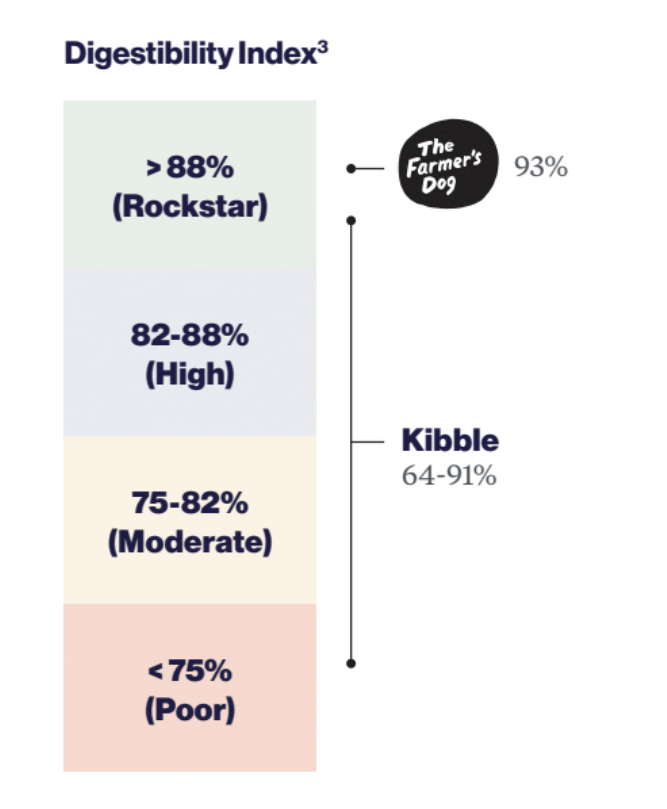
Choose high-quality dog food with balanced nutrients. This supports digestion and energy levels. Avoid foods with fillers or artificial additives. They can upset your dog’s stomach.
Provide Regular Exercise
Exercise aids in the digestive process. It helps food move through the system efficiently. Take your dog for daily walks or play sessions. This keeps their digestive system active.
Ensure Proper Hydration
Water is crucial for digestion. Always provide fresh water for your dog. Dehydration can slow down digestion and cause issues. Encourage your dog to drink often, especially in hot weather.
Monitor Food Portions
Overfeeding can lead to digestive problems. Serve the right portion sizes based on your dog’s weight and activity. Consult with a vet to determine the ideal amount for your dog.
Introduce Probiotics
Probiotics support a healthy gut flora. They can improve digestion and nutrient absorption. Consider probiotic supplements or foods containing natural probiotics. Yogurt is a good option.
Establish A Feeding Routine
Consistency helps regulate your dog’s digestive system. Feed your dog at the same times each day. This routine helps their body prepare for digestion.
Credit: www.thefarmersdog.com

Credit: www.nextritionpet.com
Frequently Asked Questions
How Long Does Dog Digestion Take?
A dog’s digestion typically takes 8 to 10 hours. This varies by size and diet.
What Affects A Dog’s Digestion Time?
Factors include age, breed, size, and type of food consumed. Health issues also impact digestion speed.
Can A Dog’s Diet Speed Up Digestion?
Yes, high-fiber diets often speed up digestion. Wet food digests faster than dry kibble.
Is Slow Digestion A Concern For Dogs?
Slow digestion can indicate health issues. Consult a vet if digestion takes longer than usual.
Conclusion
Dog digestion varies by size, breed, and diet. Small dogs digest faster. Large breeds might take longer. Typically, digestion takes 8 to 10 hours. Ensure your dog has a balanced diet. Fresh water is important too. Notice any changes in their digestion.
Consult a vet if concerned. Understanding digestion helps in keeping your dog healthy. Regular check-ups are key. A happy dog is a well-fed dog. Observing their habits can guide you. So, pay attention. Keep your furry friend thriving with good care and nutrition.