

Last Updated on August 11, 2026 by Jake Barkley
Have you ever looked into your dog’s eyes and wondered, “What breed is my furry friend?” You’re not alone.
Many dog owners are curious about their pet’s lineage. Understanding your dog’s breed can unlock a treasure trove of insights. From their behavior and temperament to potential health issues, knowing your dog’s background can make a world of difference. Imagine the peace of mind you’ll have when you finally solve this mystery.
Intrigued? Let’s dive into the fascinating world of canine genetics and discover the secrets hiding in your dog’s DNA.
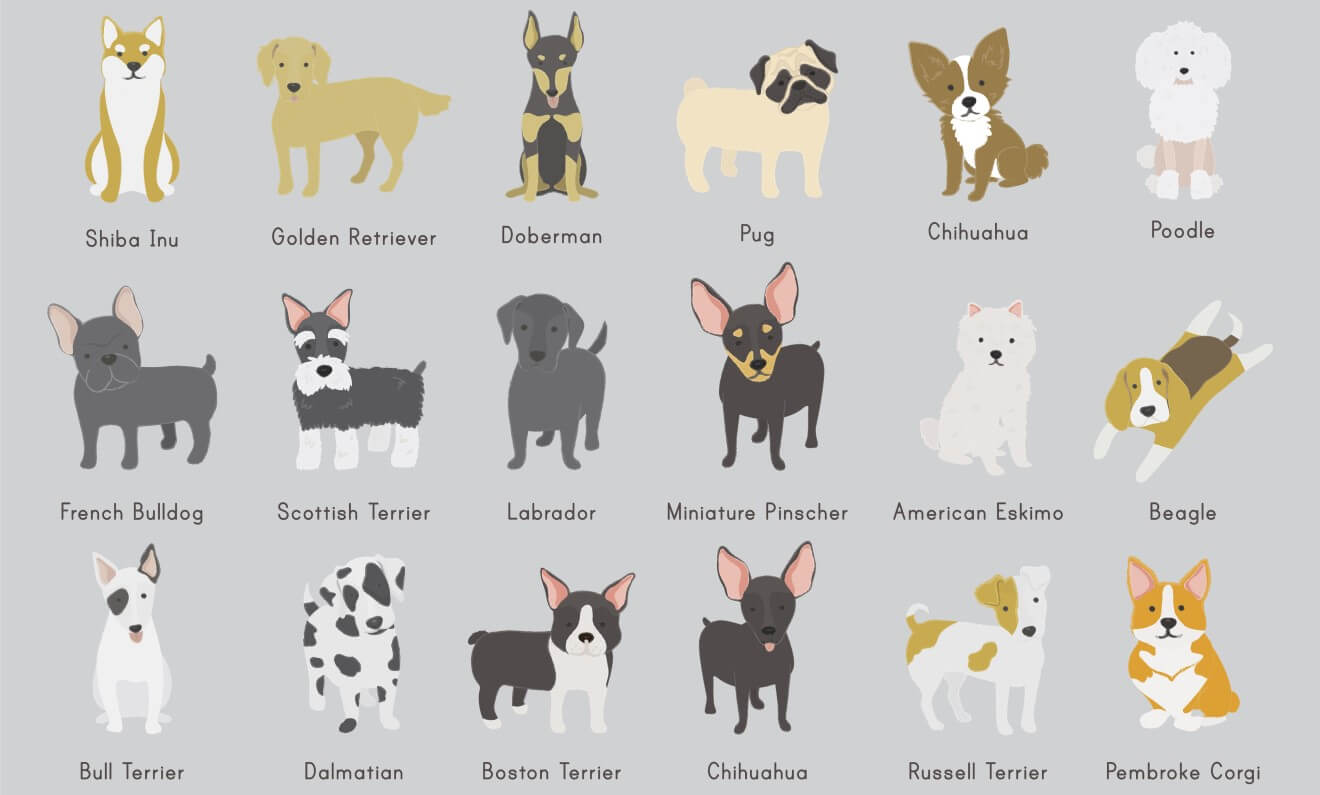
Credit: www.pawaii.com
Identifying Physical Traits
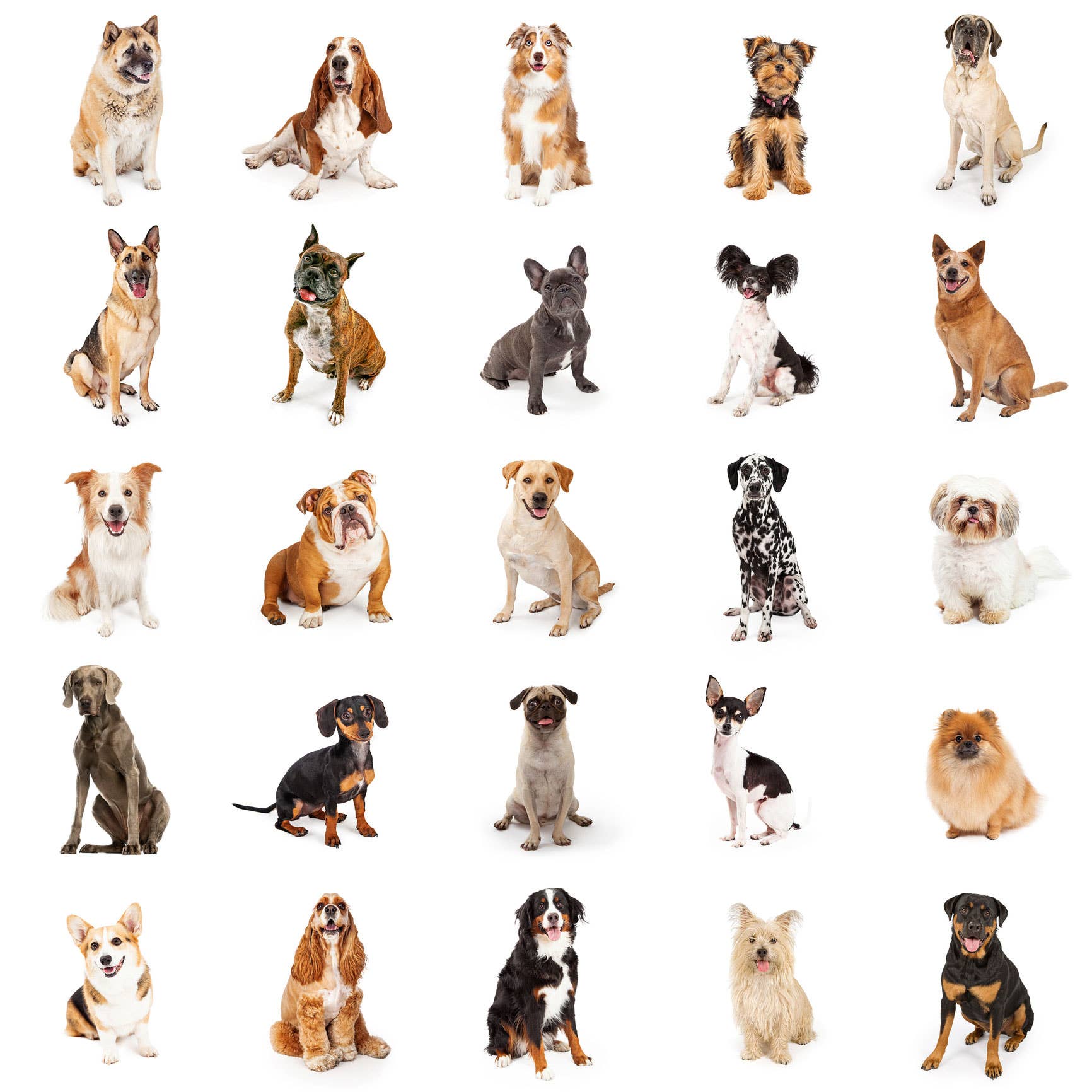
Determining your dog’s breed involves observing physical traits like coat type, color patterns, and ear shape. Examining the size and tail style can also offer clues about your dog’s lineage.
Identifying your dog’s breed by physical traits can be exciting. Dogs have unique features that hint at their lineage. Observing these traits helps in understanding your dog better. It also aids in determining the breed’s needs and behaviors. Let’s delve into some key physical traits.
Coat Type And Color
A dog’s coat offers valuable clues. Short coats might suggest breeds like Beagles or Boxers. Long, fluffy coats could indicate a connection to breeds like the Golden Retriever. Coat color also plays a role. A spotted coat might point to Dalmatians. Solid colors suggest breeds like Labradors or German Shepherds.
Ear Shape And Size
Ears vary greatly among breeds. Floppy ears are common in breeds like Cocker Spaniels. Pointy ears might indicate a breed like the Doberman. Large ears can be a sign of breeds like the Basset Hound. Small, perked ears might relate to breeds such as Chihuahuas.
Tail Characteristics
A dog’s tail can provide insights. Curly tails are often seen in breeds like the Pug or Akita. Long, straight tails might suggest breeds such as the German Shepherd. Some dogs have docked tails, typical in breeds like the Boxer.
Body Size And Build
Size and build are important indicators. Compact, sturdy bodies might be associated with breeds like Bulldogs. Lean, athletic builds could suggest breeds like the Greyhound. Large, muscular dogs might belong to breeds like the Mastiff.
Facial Features
Distinct facial features can reveal breed. Short snouts are common in breeds like the Bulldog. Long, narrow snouts might indicate breeds like the Collie. Eye shape and size are also telling. Large eyes are typical in breeds like the Shih Tzu.
Utilizing Technology And Tools
Identifying your dog’s breed can be challenging. Thankfully, technology makes this task easier. Several tools can help you determine your dog’s breed. These tools provide accurate and quick results. They save time and reduce guesswork. Explore how technology aids in identifying dog breeds.
Dna Testing Kits
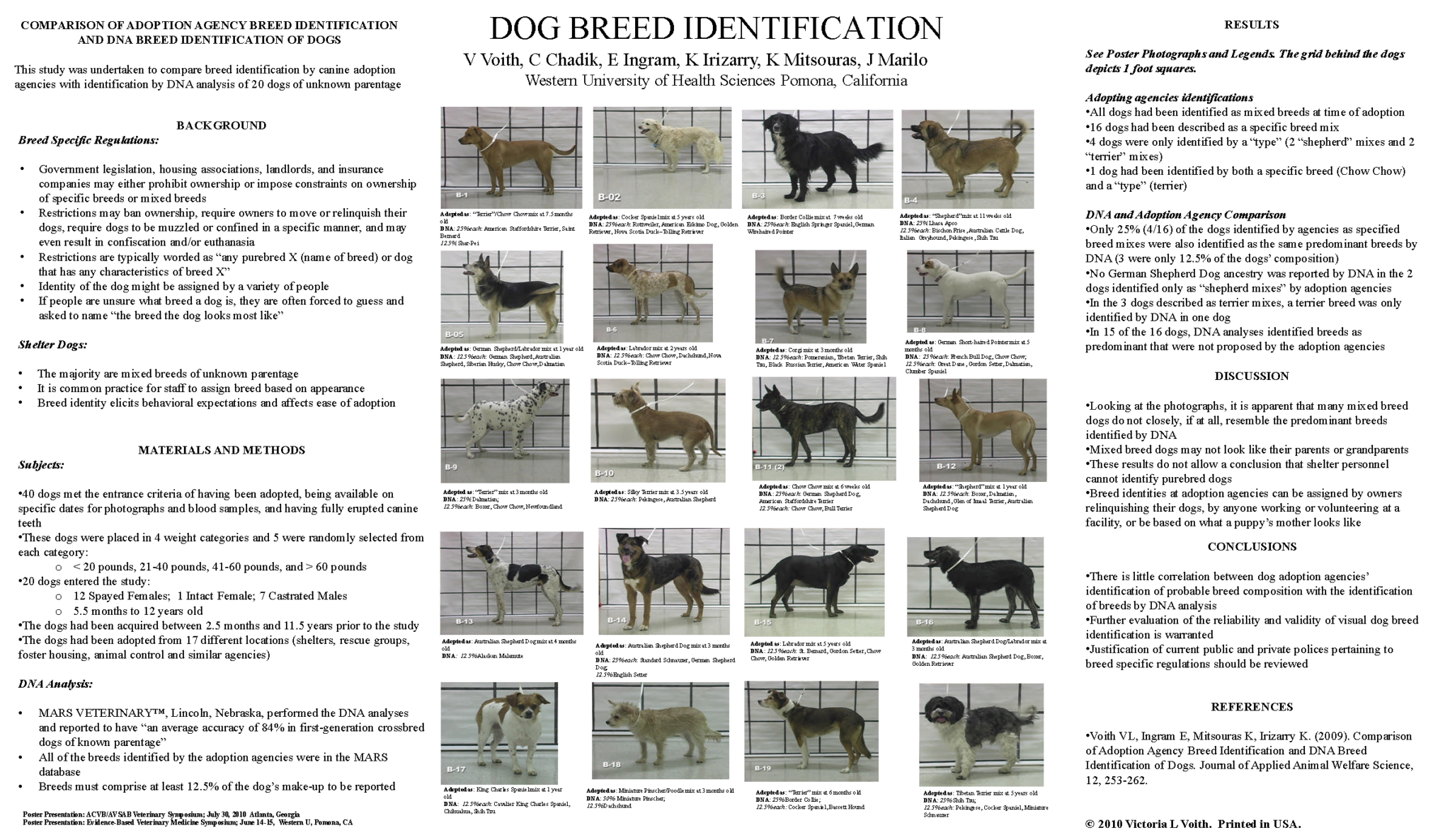
DNA testing kits are popular for identifying dog breeds. They provide reliable results. You can order these kits online. The process is simple. Swab your dog’s cheek and send the sample. Labs analyze the DNA and send a report. The report shows your dog’s breed mix. It even reveals potential health issues.
Dog Breed Identification Apps
Smartphone apps can identify dog breeds. These apps use photos to determine the breed. Capture a clear image of your dog. The app analyzes the features and suggests possible breeds. Some apps also offer breed information. This helps you understand your dog’s traits better.
Online Breed Calculators
Online breed calculators are easy to use. Enter your dog’s traits into the calculator. Include size, color, and fur type. The calculator suggests possible breeds. It’s a quick way to narrow down options. While not as precise as DNA tests, it’s useful for a quick guess.
Consulting Professional Help
Identifying your dog’s breed can be tricky. Consulting a professional can offer expert insights and accurate breed identification. Trust their experience to uncover your dog’s unique heritage and characteristics.
When you’re trying to determine your dog’s breed, it can sometimes feel like an unsolvable puzzle. While there are online tools and apps that claim to help, nothing beats the expertise of a professional. Consulting a professional can offer a level of accuracy and insight that technology simply can’t match. Here’s why seeking professional help can be your best move.
Understanding The Role Of A Vet
Your veterinarian can be a valuable ally in identifying your dog’s breed. Vets have a trained eye for distinguishing features that can hint at a dog’s lineage. They can provide a detailed analysis based on your dog’s physical traits and behaviors. Vets also have access to genetic testing, which can offer a definitive answer. This test can reveal your dog’s breed with a high degree of accuracy. The results can be enlightening and help you understand more about your dog’s health and temperament.
Genetic Testing Facilities
Specialized genetic testing facilities focus solely on determining dog breeds. These facilities use advanced technology to analyze your dog’s DNA. It’s a simple process where you usually just need to send a sample, often a cheek swab, to their lab. These tests can identify multiple breeds in your dog’s ancestry. Many facilities provide a detailed report that includes a breakdown of the breed mix, potential health issues, and even personality traits. This can be an exciting way to learn about your furry friend’s lineage.
Dog Breeders And Breed Clubs
Reaching out to dog breeders and breed clubs can be surprisingly helpful. Breeders possess extensive knowledge about specific breeds and can often identify breed traits that others might miss. Breed clubs are communities of enthusiasts who can share their insights and experiences. These resources can sometimes offer free or low-cost breed assessments. Engaging with these communities can also provide you with a network of support and advice about your dog. Have you considered joining a local breed club to learn more about your pet?
The Importance Of Professional Trainers
Professional dog trainers often have an intuitive understanding of different breeds. They work with various breeds daily and can offer insights based on your dog’s behavior and training needs. Trainers can sometimes identify breed traits that are not immediately obvious. Collaborating with a trainer can also be beneficial for addressing any behavioral issues. They can tailor their training methods to suit your dog’s specific breed traits. This practical approach can enhance your relationship with your dog. Consulting professional help can transform your understanding of your dog. Have you explored these professional resources to uncover your dog’s unique heritage? Taking these steps can lead to a deeper connection with your pet, making every moment together more meaningful.
Credit: www.greensafaris.com
Credit: www.greensafaris.com
Frequently Asked Questions
How Can I Identify My Dog’s Breed?
Check physical traits like size and fur. Use online breed identification tools. Consult a vet for expert advice.
What Apps Can Help Identify Dog Breeds?
Apps like Dog Scanner and BarkID can identify breeds from photos. Easy and user-friendly.
Are Dna Tests For Dogs Accurate?
DNA tests are generally accurate. They can identify mixed breeds. Consider reputable brands for best results.
Can A Vet Help Identify My Dog’s Breed?
Yes. Vets can assess physical traits and behaviors. They provide a professional opinion.
Conclusion
Identifying your dog’s breed can be exciting. It helps you understand their needs better. Use visual clues like size, color, and coat type. Explore genetic testing for more accuracy. Check your dog’s behavior and habits. Compare them to known breed traits.
Consult a vet for expert advice. They can provide insight based on experience. Join online forums for more tips and stories. Remember, every dog is unique. Embrace their individual traits and love them for who they are. Your bond will grow stronger, no matter the breed.