

Last Updated on August 11, 2026 by Jake Barkley
Is your home ready to welcome a fluffy, gentle giant? The Great Pyrenees dog, with its majestic appearance and calm demeanor, is a breed that captures hearts instantly.
However, training this magnificent dog can feel like a daunting task. You might wonder, “How do I train such a large and independent dog? ” Don’t worry—you’re not alone in this! Many Great Pyrenees owners face the same challenge. Understanding the unique traits of this breed and using the right techniques can make training a rewarding experience for both you and your furry friend.
You’ll discover essential tips and tricks that will transform your Great Pyrenees into a well-mannered companion. Let’s dive into the secrets of effective training that will have you and your dog wagging with joy!
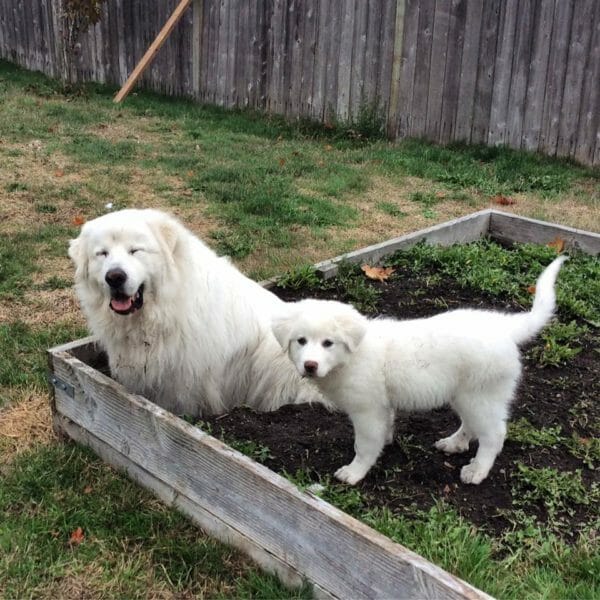
Credit: itsdogornothing.com
Choosing The Right Training Method
Training a Great Pyrenees requires patience and consistency. Positive reinforcement helps in building trust and encouraging good behavior. Start with basic commands and gradually introduce more complex tasks.
Choosing the right training method for your Great Pyrenees can make all the difference in how effective your training sessions are. These majestic dogs are known for their gentle yet independent nature, making them unique learners. Understanding their temperament is key to selecting a method that best suits them. Whether you’re a seasoned dog owner or new to the Great Pyrenees world, finding the right approach is crucial for fostering a well-behaved and happy companion.
Understanding Your Dog’s Personality
Every Great Pyrenees has a distinct personality. Some are more laid-back, while others might be more energetic. Observing your dog’s behavior is essential. Are they curious and responsive, or do they tend to be reserved? Knowing this helps in tailoring a training method that works.
Positive Reinforcement Techniques
Positive reinforcement is a favored method among dog trainers. It involves rewarding your dog for good behavior, encouraging them to repeat it. Use treats, praise, or playtime as rewards. This method builds trust and strengthens your bond. Have you noticed your dog responding eagerly to treats during training? That’s positive reinforcement at work.
Consistency Is Key
Great Pyrenees dogs thrive on consistency. Repeating commands and maintaining a routine helps them learn faster. Consistency reduces confusion and helps your dog understand what’s expected. If you train them every morning, stick to it. Have you ever tried switching your training schedule and noticed your dog’s confusion? That’s the importance of consistency.
Patience And Persistence
Training a Great Pyrenees requires patience. They can be stubborn at times, but persistence pays off. Stay calm and patient, even if progress seems slow. Sometimes, taking a break and returning later with a fresh approach can work wonders. Remember a time when you felt like giving up, but your persistence led to a breakthrough? That’s the beauty of patience in training.
Socialization Is Essential
Socializing your Great Pyrenees is crucial. They need exposure to different environments, people, and animals. Take them to parks, introduce them to new friends, and encourage interactions. This boosts their confidence and reduces anxiety in unfamiliar situations. Have you ever noticed how a socialized dog behaves calmly in a crowded place? That’s the power of good socialization.
Tailoring Techniques To Suit Your Dog
Not every training method works for every dog. Customize techniques to suit your dog’s needs. If your dog responds better to verbal commands than treats, adjust accordingly. Flexibility is vital. Have you ever adjusted your approach and seen improved results? Tailoring techniques can make training more effective. Choosing the right training method for your Great Pyrenees isn’t just about following guidelines. It’s about understanding their unique personality and adapting techniques that suit them. What method will you choose to bring out the best in your dog?

Credit: simplifylivelove.com
Essential Commands And Techniques
Training a Great Pyrenees requires patience and consistency. Start with basic commands like sit, stay, and come. Use positive reinforcement techniques to encourage good behavior and build trust.
Training a Great Pyrenees can be a rewarding journey, filled with challenges and triumphs. These gentle giants are known for their loyalty and protective nature, making them excellent family pets. However, their independent streak requires a thoughtful approach to training. Essential commands and techniques are your gateway to shaping your Pyrenees into a well-mannered companion. Understanding these commands will not only enhance your bond but also ensure your dog’s safety and happiness.
Understanding Basic Commands
Start with the basics. Commands like “sit,” “stay,” “come,” and “down” are fundamental. They serve as the building blocks for more advanced training. Keep your sessions short and sweet, around 10-15 minutes. Pyrenees can be stubborn, so patience is key. Use positive reinforcement—treats and praise work wonders. Have you ever noticed how a simple “good boy” can light up a dog’s face?
Using Clicker Training
Clicker training can be an effective technique. The sound of the clicker marks the exact moment your dog performs the desired behavior. This precision helps your Pyrenees understand what you expect. Practice this regularly, and soon your dog will associate the click with a reward. Have you tried a clicker yet? If not, it might be time to give it a shot.
Consistency Is Crucial
Consistency is your best friend when training a Great Pyrenees. Use the same commands and gestures every time. Inconsistency confuses your dog and slows down the learning process. If you say “come” sometimes and “here” other times, your dog might not respond as expected. Stick to your chosen words and actions. Have you noticed how consistency in your routine helps your Pyrenees feel secure?
Respect Their Independence
Great Pyrenees are independent thinkers. Respect their nature while training. Encourage them to follow commands but understand they might take a moment to process. This breed isn’t always eager to please, unlike others. This doesn’t mean they’re disobedient, just thoughtful. Have you ever felt that moment of pride when your dog decides to listen, not out of duty, but because they trust you?
Socialization Techniques
Socialization is a crucial part of training. Introduce your Pyrenees to various environments, people, and other animals. This exposure helps them feel comfortable and reduces anxiety. A well-socialized Pyrenees is less likely to react aggressively. Imagine the joy of walking your dog without fear of unpredictable behavior.
Leash Training Tips
Leash training can be daunting with a strong-willed Pyrenees. Start early. Use a sturdy leash and harness for control. Practice walking in quiet areas before tackling busy streets. Gradually increase the duration of walks. Have you ever felt the satisfaction of a calm, controlled walk with your Pyrenees? Remember, training is a journey shared between you and your Great Pyrenees. Every command they learn strengthens your bond. Are you ready to embark on this rewarding adventure with your furry friend?
Addressing Behavioral Challenges
Training a Great Pyrenees involves patience and consistency to address behavioral challenges. Positive reinforcement and clear commands help shape good habits. Socializing early ensures a friendly, well-adjusted pet.
Training a Great Pyrenees can be an incredibly rewarding journey, yet it comes with its unique set of challenges. Known for their independent spirit and protective nature, these majestic dogs may sometimes exhibit behavioral issues that need addressing. Tackling these challenges with patience and understanding can help in nurturing a well-behaved companion.
Understanding Their Protective Instincts
Great Pyrenees are natural guardians. Their protective instincts can sometimes lead to excessive barking or territorial behavior. It’s crucial to differentiate between genuine alerts and unnecessary barking. To manage this, establish a command like “quiet” early in training. Consistently rewarding silence after the command can reinforce desired behavior.
Managing Stubbornness
These dogs are known for their stubborn streak. You might find them ignoring commands or refusing to follow your lead. In such cases, persistence is key. Use positive reinforcement, like treats or praise, to motivate them. Patience and consistent training sessions help in overcoming this challenge.
Socializing With Other Dogs
Socialization is vital for Great Pyrenees to prevent aggression towards other dogs. Introduce them to various dogs and environments from a young age. Organizing playdates or visiting dog parks can provide controlled environments for interaction. Observe their behavior and intervene if any issues arise to correct unwanted behavior immediately.
Preventing Separation Anxiety
Due to their loyal nature, Great Pyrenees may experience separation anxiety when left alone. This can lead to destructive behavior. To counter this, gradually accustom your dog to being alone. Start with short periods and slowly increase the time apart. Providing toys or puzzles can keep them occupied and ease anxiety.
Encouraging Positive Behavior
Positive reinforcement is a powerful tool in training. Reward behaviors you want to see more often, like sitting calmly or responding to commands. Consistency is crucial here. Make sure everyone in the household follows the same training cues and rewards. This unified approach solidifies the training and reduces confusion for your dog. Addressing behavioral challenges in Great Pyrenees requires time and dedication. Are you ready to embrace this journey and unlock the best in your majestic companion? The rewards of a well-trained Great Pyrenees are worth every effort.

Credit: nationalpyr.org
Frequently Asked Questions
How Do I Start Training My Great Pyrenees Puppy?
Start with basic commands like sit, stay, and come. Use positive reinforcement. Be patient and consistent.
What Age Is Best To Begin Training A Great Pyrenees?
Begin training as early as eight weeks. Early training helps establish good habits and social skills.
Are Great Pyrenees Easy To Train?
They are independent and stubborn. Consistent training and patience are key. Short, fun sessions work best.
How To Handle Stubborn Behavior In Great Pyrenees?
Stay calm and consistent. Use positive reinforcement. Avoid harsh punishments, as they can lead to fear.
Can Great Pyrenees Be Trained To Guard?
Yes, they are natural guardians. Train them to differentiate between friend and threat. Socialization is crucial.
Conclusion
Training a Great Pyrenees is a rewarding journey. This breed needs patience and consistency. Start with basic commands. Use positive reinforcement to encourage good behavior. Keep training sessions short and fun. Socialize early to prevent aggression and fear. Exercise is crucial for their health.
Provide mental stimulation with puzzles and games. Always be gentle and firm with your commands. Remember, each dog learns at its own pace. Celebrate small victories. With dedication, your Great Pyrenees will become a well-mannered companion. Enjoy the process of creating a strong bond with your furry friend.