

Last Updated on August 11, 2026 by Jake Barkley
So, you’ve welcomed a herding dog into your life, and now you’re wondering how to tap into their incredible instincts. Training a herding dog can be both a rewarding and exciting experience.
These dogs are smart, energetic, and eager to work, but they need guidance to channel their natural talents effectively. You might feel a mix of excitement and a bit of overwhelm, and that’s perfectly normal. Imagine the joy of watching your herding dog thrive, effortlessly guiding livestock or excelling in agility courses.
It’s not just about teaching commands; it’s about building a bond and understanding their unique drives. Think of the satisfaction and pride you’ll feel when your dog responds to your cues, showcasing their skills to friends and family. You’ll learn practical steps and techniques to train your herding dog. Whether you’re a first-time owner or looking to refine your approach, the insights shared here will empower you to bring out the best in your furry friend. Ready to unlock the potential of your herding companion? Let’s dive in and explore the world of herding dog training together.
Selecting The Right Breed
Choosing the right breed is crucial for training herding dogs effectively. Each breed has unique traits influencing training methods. Understanding these characteristics helps tailor a training approach that suits their natural instincts.
Choosing the right herding dog breed is crucial for effective training. Not all breeds possess the same herding instincts or energy levels. It’s essential to match the dog’s characteristics with your needs and lifestyle.
Understanding Breed Characteristics
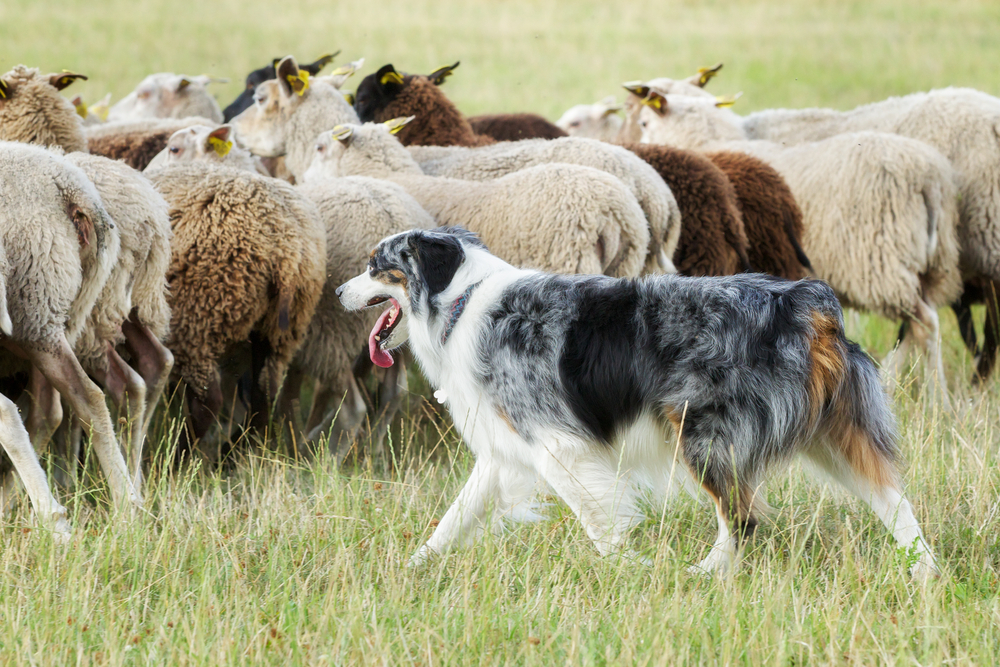
Different herding breeds have unique traits. Border Collies are known for their intelligence and agility. They thrive on challenges and need constant mental stimulation. Australian Shepherds, on the other hand, are versatile and excel in various tasks. Their energy makes them perfect for active families.
Assessing Your Environment
Your living situation influences the breed you should choose. Do you live on a farm or in an urban setting? A Kelpie might be ideal for rural environments with large spaces. If you’re in the city, a Shetland Sheepdog adapts well to smaller spaces while still being a capable herder.
Considering Energy Levels
Evaluate your own energy levels and daily routine. Are you prepared for a dog that needs hours of exercise daily? If not, a breed like the Old English Sheepdog, which requires less intensity, may be better suited. High-energy breeds like the Belgian Malinois need an owner who’s ready for an active lifestyle.
Checking Health And Maintenance
Some breeds have specific health concerns. It’s vital to research common health issues associated with each breed. For example, German Shepherds might face hip dysplasia. Regular grooming is also a consideration; breeds like Rough Collies have long coats that require frequent brushing.
Personal Experience And Compatibility
Reflect on your past experiences with dogs. If you’ve had a Border Collie before and enjoyed their energetic nature, you might want to stick with them. On the other hand, if high energy was overwhelming, exploring breeds with calmer temperaments could be beneficial. Are you ready to start this journey with your new herding dog? Remember, your choice impacts both your life and the dog’s. Select wisely to ensure a rewarding experience for both of you.
Credit: www.madpaws.com.au
Essential Training Techniques
Training a herding dog requires patience and consistency. Essential techniques lay the foundation for a well-behaved companion. These dogs are intelligent and energetic. They need structured activities to channel their instincts. Let’s explore some key methods to train your herding dog effectively.
Understanding The Herding Instinct
Recognize your dog’s natural herding instincts. These instincts drive their behavior. They may try to herd people or other animals. Use this instinct to your advantage. Redirect it through controlled exercises. This helps in managing their energy.
Basic Obedience Commands
Start with basic commands like sit, stay, and come. These commands build the groundwork for advanced training. Use positive reinforcement. Praise and treats encourage good behavior. Consistent practice is crucial. Short, daily sessions work best.
Socialization And Environment Exposure
Expose your dog to various environments. This includes parks, streets, and different surfaces. Socialize them with other dogs and people. This helps them adapt to new situations. It reduces fear and anxiety.
Structured Play And Exercise
Provide plenty of structured playtime. Herding dogs need physical and mental stimulation. Activities like fetch and tug-of-war are great. They keep your dog engaged and happy.
Advanced Training Techniques
Once basic commands are mastered, move to advanced techniques. Teach them to herd with specific cues. Use a whistle or hand signals. Practice in a safe, enclosed area. Gradual progress ensures safety and control.
Common Challenges And Solutions
Training a herding dog presents challenges like managing their high energy and strong instincts. Consistent routines and positive reinforcement help in guiding their behavior effectively.
Training a herding dog can be both rewarding and challenging. These intelligent and energetic dogs often have a strong instinct to herd, which can sometimes lead to unexpected behaviors. Understanding the common challenges and finding effective solutions is crucial for a harmonious relationship with your canine companion. Below, you’ll find some typical hurdles herding dog owners face, along with practical tips to overcome them.
Understanding Excessive Energy Levels
Herding dogs are known for their high energy. They need plenty of exercise to stay happy and healthy. If you don’t provide enough physical and mental stimulation, they might become restless or even destructive. Consider engaging them in activities like agility training, flyball, or long runs. These exercises not only help burn off energy but also strengthen your bond. Have you ever thought about setting up a mini obstacle course in your backyard? It could be a fun way for both of you to spend time together while keeping your dog active.
Managing Natural Herding Instincts
The herding instinct is deeply ingrained in these dogs. They might try to herd people, cars, or other pets, which can be problematic. Instead of discouraging this behavior altogether, redirect it into more appropriate activities. Introduce them to herding games or controlled herding exercises. This can satisfy their instincts in a safe environment. Do you have a local dog park with herding trials? Participating in such events can be an excellent outlet for your dog’s natural tendencies.
Addressing Stubbornness And Independence
Herding dogs can be quite independent and sometimes stubborn. They like to think for themselves, which can make training a challenge. It’s important to establish yourself as the leader without using harsh methods. Use positive reinforcement techniques. Reward good behavior with treats, praise, or playtime. Have you tried clicker training? It’s a fantastic way to communicate with your dog and encourage obedience through consistency and rewards.
Dealing With Sensitivity To Movement
These dogs are highly sensitive to movement, which is a part of their herding nature. This sensitivity can sometimes translate to anxiety or overreaction in busy environments. Gradually expose your dog to different settings, starting with quieter areas. Increase the level of activity around them as they become more comfortable. Is your herding dog easily startled by cyclists or joggers? Practice calm behavior and reward them when they remain relaxed in such situations.
Combating Boredom And Mental Fatigue
Boredom can lead to unwanted behaviors in herding dogs. Their intelligent minds need challenges to prevent mental fatigue. Rotate their toys regularly and introduce puzzle feeders. These stimulate their mind and keep them occupied for longer periods. Have you explored nose work games? They are excellent for mental stimulation and can be played indoors, making them perfect for rainy days. By understanding these common challenges and implementing these solutions, you’ll create a more fulfilling life for both you and your herding dog. What other strategies have you found effective in training your herding companion? Share your thoughts in the comments below!

Credit: spiritdogtraining.com

Credit: k9basics.com
Frequently Asked Questions
What Is The Best Age To Start Training Herding Dogs?
Start training herding dogs between 8 and 12 weeks old. Early training helps instill essential skills.
How Do Herding Dogs Learn Commands?
Herding dogs learn commands through repetition and positive reinforcement. Consistent practice enhances understanding and obedience.
What Tools Are Needed For Training Herding Dogs?
Basic tools include a leash, collar, and clicker. Treats and toys motivate and reward your herding dog.
Can Herding Dogs Work With Other Animals?
Yes, they can work with various animals. Proper training teaches them to herd sheep, cattle, and more.
Are Herding Dogs Suitable For Beginners?
Herding dogs can be suitable for beginners. Patience and commitment are crucial for successful training and bonding.
Conclusion
Training a herding dog requires patience and consistency. Start with basic commands. Gradually introduce herding tasks. Reward positive behavior with treats or praise. Keep sessions short to maintain focus. Use clear voice commands. Herding dogs are smart, eager learners. They thrive on routines and challenges.
Building trust strengthens your bond. Be patient; progress takes time. Celebrate small victories along the way. Enjoy the journey with your furry friend. A well-trained herding dog is a joy to have. It brings fulfillment and companionship. Happy training and enjoy the process!