
Last Updated on August 11, 2026 by Jake Barkley
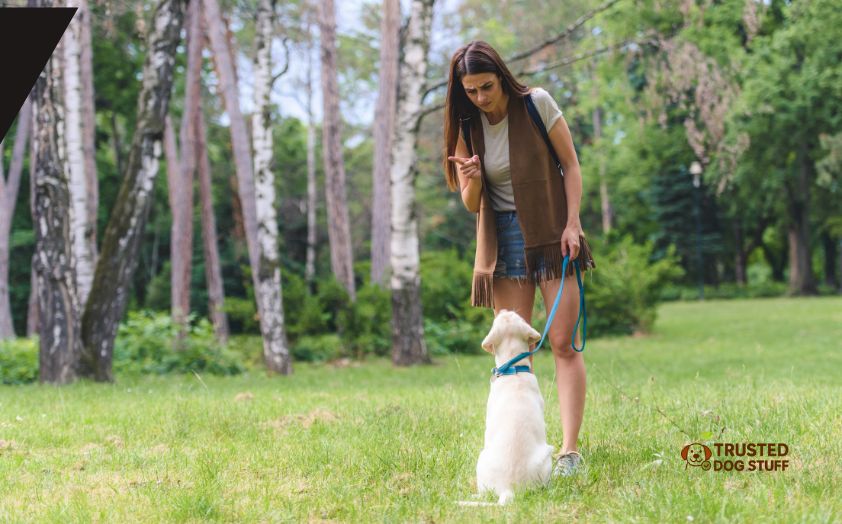
Imagine walking your dog through the park with ease and confidence. Your furry friend stays right by your side, matching your pace and responding to your every command.
Sounds like a dream, right? But it doesn’t have to be. Training your dog to heel can transform your walking experience from a constant tug-of-war to a peaceful stroll. If you’ve ever felt frustrated or overwhelmed by your dog’s pulling, you’re not alone.
Many dog owners face the same challenge. But here’s the good news: with the right techniques and a bit of patience, you can teach your dog to heel like a pro. In this guide, you’ll discover effective, step-by-step methods to master this essential skill. Ready to turn those challenging walks into enjoyable adventures? Let’s dive in!
Choosing The Right Equipment
Selecting suitable gear ensures effective dog training. A sturdy leash and comfortable collar enhance control, helping your dog learn to heel smoothly. The right equipment fosters better communication and encourages positive behavior during walks.
Training your dog to heel is an essential skill that not only enhances your walks but also strengthens your bond with your furry friend. One of the critical elements in successful heel training is choosing the right equipment. The gear you select can make a significant difference in how smoothly the training process goes. Let’s dive into the essentials you need to consider.
Understanding Leashes And Collars
The type of leash and collar you use can significantly impact your training success. Leashes come in various materials, such as nylon, leather, or retractable options. A standard six-foot nylon or leather leash is often recommended for heel training, as it offers control without being too restrictive. Collars are another key consideration. While basic flat collars work for many dogs, a martingale collar can offer more control for dogs prone to pulling. Remember, a collar should fit snugly but not too tight—two fingers should fit comfortably under the collar.
Choosing A Harness
Harnesses are an excellent alternative to collars, especially for dogs that pull too much. A front-clip harness can discourage pulling by redirecting your dog toward you. This can make heel training easier and more effective. A back-clip harness may be more comfortable for some dogs, but it might encourage pulling. Choose a harness that fits well, with adjustable straps to ensure a snug but comfortable fit.
Exploring Training Aids
In addition to leashes and collars, consider training aids that can enhance the heel training experience. Clickers are a popular tool to mark the exact moment your dog performs the desired behavior, followed by a treat. Treat pouches are also handy for keeping rewards accessible. This helps you quickly reinforce positive behavior without fumbling around in your pockets. Keep your dog’s favorite treats in the pouch to keep them motivated.
Personal Experience: The Power Of Consistency
When I trained my dog, Max, to heel, I quickly realized the importance of consistency in both equipment and routine. Switching between different types of collars caused confusion for Max, which slowed our progress. Once I settled on a comfortable martingale collar and committed to a front-clip harness, Max responded much better. Have you found that sticking to a consistent routine helps your dog learn faster?
Key Takeaways
Choosing the right equipment is more than just a shopping task—it’s a strategic part of your training plan. Evaluate your dog’s behavior, size, and comfort to select the best tools. Does your dog pull often, or do they need gentle reminders to stay by your side? The equipment you choose should address these specific needs, ensuring a smoother and more enjoyable training experience.

Credit: www.youtube.com
Step-by-step Training Process
Training your dog to heel is a rewarding process. It strengthens the bond between you and your furry friend. The step-by-step approach ensures that your dog learns effectively. Consistency and patience are key to successful training.
1. Establish A Command
Choose a simple command like “heel” or “walk.” Use this command consistently. Your dog will start associating it with heeling. Keep your tone firm but friendly.
2. Use A Short Leash
A short leash gives better control. It helps guide your dog close to you. Ensure it’s not too tight. Your dog should feel comfortable.
3. Start Walking
Begin walking at a slow pace. Your dog should walk beside you. If it pulls ahead, stop walking. Wait until it returns to your side.
4. Reward Good Behavior
Carry some treats during training sessions. Reward your dog when it heels correctly. Praise is also a great motivator. It encourages your dog to repeat the behavior.
5. Practice Regularly
Regular practice is crucial for success. Short, daily sessions are effective. They help reinforce the behavior. Gradually increase the duration as your dog improves.
6. Add Distractions
Introduce distractions gradually. This tests your dog’s focus. Start with mild distractions. Increase complexity as your dog gets better.
7. Be Patient
Patience is vital in the training process. Each dog learns at its own pace. Celebrate small victories. This keeps training positive and fun for both of you.
Troubleshooting Common Challenges
Training your dog to heel can be tricky. Dogs often get distracted easily, pulling away during walks. Consistent practice with clear commands helps keep them focused and attentive. Rewarding good behavior encourages them to stay by your side.
Training your dog to heel can be a rewarding process, but it’s not without its challenges. You may find that your furry friend gets distracted easily or pulls too much on the leash. Addressing these common issues is crucial for a successful training outcome. By understanding and troubleshooting these challenges, you can help your dog learn to walk calmly by your side.
Understanding Distractions
Dogs are naturally curious, and the world is full of exciting sights and smells. During training, your dog might become fixated on a squirrel or another dog. Try to anticipate these distractions by keeping treats handy. Reward your dog when they maintain focus on you. Consistent practice will help your dog learn to ignore distractions.
Dealing With Pulling
If your dog pulls on the leash, it can be frustrating and even dangerous. One effective method is to stop walking the moment they pull. Wait until they return to your side, then continue walking. This teaches your dog that pulling doesn’t get them where they want to go. Have you ever tried changing directions unexpectedly? This can also help keep them focused.
Keeping Your Dog Engaged
Sometimes, dogs lose interest during training sessions. Shorten the session to keep it engaging. Use varied rewards, like their favorite toy or a high-value treat. Change your pace or direction to keep things interesting. Have you noticed that your dog responds better to certain commands? Use these moments as opportunities to reinforce positive behavior.
Consistency Is Key
Inconsistency can confuse your dog. Ensure that everyone in the household uses the same commands and techniques. Regular practice is crucial; even a few minutes a day can make a difference. Have you set a routine for training? This can help your dog understand when it’s time to focus.
Patience Pays Off
Training takes time and patience. If progress seems slow, remember that each dog learns at their own pace. Celebrate small victories to keep both you and your dog motivated. Are you finding the process challenging? Remember, the bond you’re building through training is worth the effort. By focusing on these challenges and implementing these strategies, you’ll be well on your way to having a well-behaved dog that heels like a pro.

Credit: petstek.com

Credit: www.akc.org
Frequently Asked Questions
What Does It Mean To Train A Dog To Heel?
Training a dog to heel means walking beside you on command. The dog stays close. No pulling.
How Long Does It Take To Teach Heel?
Teaching heel can take a few weeks. Consistency is key. Practice regularly for best results.
What Tools Help In Heel Training?
Leashes and collars are helpful in heel training. Treats work too. Positive reinforcement is essential.
Can Any Dog Learn To Heel?
Yes, any dog can learn to heel. Patience is needed. Adapt techniques for different breeds.
Why Is Heel Training Important For Dogs?
Heel training improves control during walks. It ensures safety. Builds trust and strengthens your bond.
Conclusion
Training your dog to heel is a rewarding journey. Consistency is key. Reward good behavior often. Practice daily for best results. Keep sessions short and fun. Stay patient and calm. Your dog learns at its own pace. Use treats to encourage progress.
Celebrate small victories together. A well-trained dog is a happy dog. Heel training strengthens your bond. Enjoy walks with your dog by your side. The effort pays off in the end. You both gain confidence and trust. Happy training!