

Last Updated on August 11, 2026 by Jake Barkley
Is canola oil in dog food bad? If you’re a pet parent, you’ve likely asked yourself this question.
After all, your furry friend’s health is a top priority. You want to make sure every ingredient in their food is safe and beneficial. But with so many mixed messages out there, it’s easy to feel confused and overwhelmed. Imagine knowing exactly what goes into your dog’s diet and how it affects their well-being.
It would be a relief, wouldn’t it? This article will unravel the mystery of canola oil in dog food. By the end, you’ll have the clarity you need to make informed decisions about your pet’s nutrition. So, if you care about your dog’s health, keep reading. You might be surprised by what you discover.
Canola Oil In Dog Food
Canola oil is a common ingredient in many dog foods today. It is derived from the seeds of the canola plant and is known for its nutritional benefits. Many pet owners are concerned about its safety. This section explores the role of canola oil in dog food, its benefits, and potential risks.
What Is Canola Oil?
Canola oil comes from the seeds of the canola plant. It is a type of vegetable oil. Known for having low saturated fat, it is often used in cooking. In dog food, it acts as a fat source. Many manufacturers prefer it due to its affordability.
Nutritional Benefits Of Canola Oil
Canola oil is rich in omega-3 and omega-6 fatty acids. These nutrients support a dog’s skin and coat health. They also aid in brain function and reduce inflammation. Vitamins E and K are present in canola oil. These vitamins help with cell protection and bone health.
Potential Risks Of Canola Oil
Some experts express concerns about canola oil in dog food. It may contain erucic acid, which is harmful in large amounts. Dogs with allergies might react negatively. Processing canola oil involves chemicals. This may reduce its nutritional value. Always consult a vet before changing your dog’s diet.
How To Choose Dog Food With Canola Oil
Read labels carefully when choosing dog food. Opt for brands that use high-quality canola oil. Ensure it is free from harmful additives. Check for certifications that guarantee safety. Your vet can provide guidance on choosing the right food.
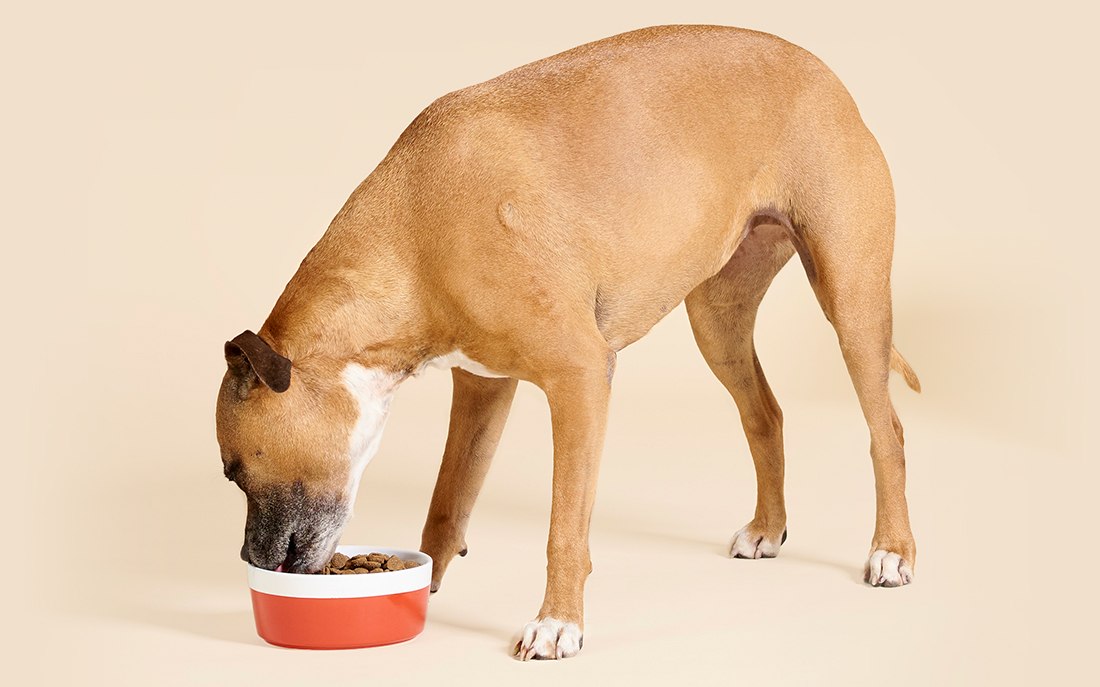
Credit: www.scratchpetfood.com.au
Potential Health Impacts
Understanding the potential health impacts of canola oil in dog food can be crucial for your pet’s well-being. While it’s a common ingredient, there are mixed opinions about its benefits and drawbacks. Let’s explore the possible effects canola oil might have on your furry friend.
Canola Oil’s Role In Nutrition
Canola oil is often praised for its omega-3 and omega-6 fatty acids. These are essential for a dog’s skin and coat health. However, not all dogs may react positively to it.
Consider your dog’s current health and dietary needs. Some dogs might thrive, while others could face issues. Have you noticed any changes in your dog’s coat or energy levels?
Potential Allergic Reactions
Just like humans, dogs can be allergic to certain food ingredients. Canola oil, though rare, can trigger allergies in some dogs. Symptoms could include itching, gastrointestinal upset, or even more severe reactions.
Monitor your dog after introducing a new food containing canola oil. If you spot any unusual behavior or symptoms, it might be worth discussing with your vet. Is your dog prone to allergies?
Impact On Weight Management
Canola oil is calorie-dense, which can be a concern for overweight dogs. While it’s healthy in moderation, excessive consumption might lead to weight gain. This could exacerbate health issues like joint problems or diabetes.
Keep an eye on your dog’s weight if their diet includes canola oil. Are you maintaining a balance between their caloric intake and activity level?
Long-term Health Considerations
There are debates about the long-term effects of canola oil on heart health in dogs. Some suggest it may benefit heart health, while others are concerned about its processing methods. The controversy lies in whether the benefits outweigh the risks.
Have you considered the long-term health impacts of your dog’s diet? It’s always best to weigh the pros and cons and consult with a veterinarian.
Understanding these potential health impacts can guide you in making informed decisions about your dog’s diet. Always prioritize your pet’s unique needs and consult professionals when in doubt. What steps will you take to ensure your dog’s optimal health?
Alternatives To Canola Oil
When considering what to feed your furry friend, understanding ingredients is crucial. Canola oil is often debated in pet nutrition circles. Some pet owners seek alternatives to ensure their dogs receive optimal nutrition. This section explores healthier options.
1. Olive Oil
Olive oil offers a rich source of healthy fats. It supports joint health and a shiny coat. Dogs enjoy its mild flavor, making it a favorite among many pet owners.
2. Fish Oil
Fish oil provides omega-3 fatty acids. These nutrients boost heart health and reduce inflammation. It can also enhance brain function and improve skin conditions.
3. Coconut Oil
Coconut oil is packed with medium-chain triglycerides. These help in digestion and improve energy levels. It also supports a healthy immune system.
4. Flaxseed Oil
Flaxseed oil is a plant-based alternative rich in omega-3s. It helps maintain a healthy coat and skin. It also aids in supporting cardiovascular health.
5. Sunflower Oil
Sunflower oil contains vitamin E and omega-6 fatty acids. These nutrients promote healthy skin and coat. It is also good for the dog’s immune system.
Choosing the right oil depends on your dog’s specific needs. Always consult with a vet for personalized advice.

Credit: www.nw-naturals.net
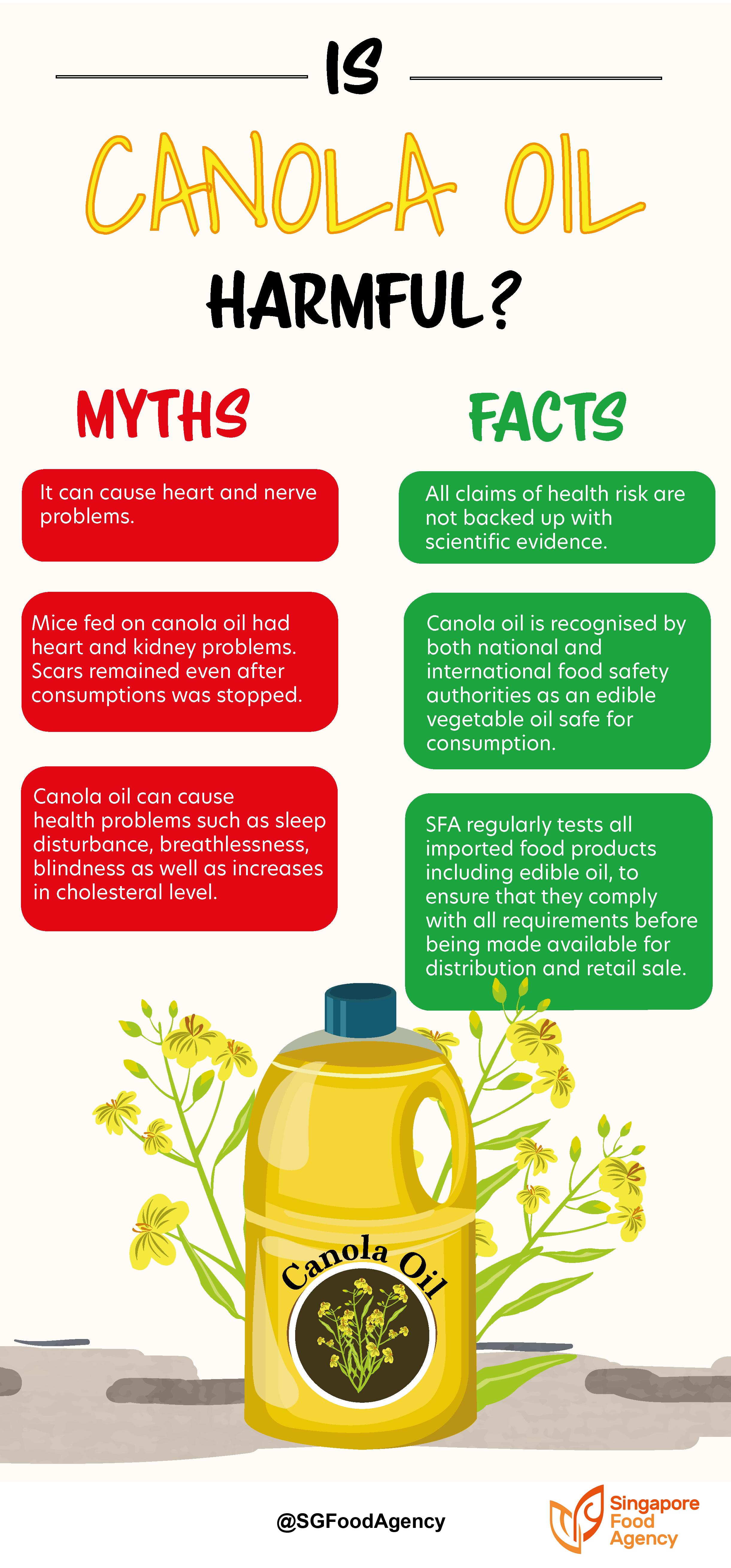
Credit: joboapps.com
Frequently Asked Questions
Is Canola Oil Safe For Dogs In Dog Food?
Canola oil is generally safe for dogs. It contains omega-3 and omega-6 fatty acids that support skin and coat health.
What Are The Benefits Of Canola Oil For Dogs?
Canola oil provides essential fatty acids. These support a healthy coat and skin. It also aids in brain development.
Can Canola Oil Cause Allergies In Dogs?
Some dogs may have allergies to canola oil. Watch for itching or digestive issues. Consult your vet if concerned.
How Much Canola Oil Is Safe For Dogs?
Moderate amounts are usually safe. Too much can lead to weight gain. Always follow your vet’s recommendations.
Conclusion
Canola oil in dog food has its pros and cons. It provides omega-3 and omega-6 fatty acids. These are good for skin and coat health. But, some dogs might have allergies. Always check with your vet. Your dog’s health is important.
Choose dog food wisely. Read labels carefully. Understand what each ingredient offers. Balance is key for a healthy diet. Not all fats are bad. Canola oil can be safe in moderation. Ensure your furry friend gets the best nutrition. Stay informed.
Make decisions that support your dog’s overall well-being.