

Last Updated on August 11, 2026 by Jake Barkley
Imagine the peace of mind knowing your furry friend is protected against one of the most feared diseases—rabies. But wait, can a dog still get rabies even if vaccinated?
This question might have crossed your mind as a responsible pet owner. You want to keep your dog safe and healthy, and that means understanding how effective vaccinations are. We’ll dive into the world of rabies vaccinations and uncover the truth behind their effectiveness.
You’ll discover the science, the myths, and the realities that every dog owner should know. Stay with us as we unravel the facts and help you make informed decisions for your beloved pet.

Credit: www.plainfieldanimalhospital.com
Rabies Vaccination And Immunity
Rabies is a deadly viral disease affecting the central nervous system. Vaccination is crucial for prevention. It helps create immunity against the virus. Many dog owners wonder about its effectiveness. Can their dogs still get rabies?
Understanding Rabies Vaccination
Rabies vaccines contain inactive virus particles. These particles stimulate the dog’s immune system. They prepare the body to fight off real infections. This process builds a protective shield. It significantly reduces the risk of rabies.
How Immunity Develops In Dogs
Immunity develops after vaccination. The dog’s body remembers the virus. It creates antibodies to fight it. These antibodies act as guards. They quickly respond to future threats. This defense lasts for a long time.
Effectiveness Of Rabies Vaccination
Rabies vaccines are highly effective. They are designed to prevent the disease. Proper administration is necessary. Follow guidelines from veterinarians. Ensure your dog receives boosters regularly. This maintains strong immunity.
Factors Affecting Immunity
Several factors influence immunity. Age and health play a role. Older dogs might need more care. Puppies require timely vaccinations. Ensuring their health supports strong immunity.
Vaccine Failure: Rare But Possible
Vaccine failure is rare. Sometimes, immunity doesn’t develop. Reasons include improper storage or administration. Consulting a vet helps address concerns. They can test immunity levels.
:strip_icc()/how-long-are-rabies-shots-good-3385625_FINAL-b3b90b78675e4a9ca4102b405fecf74c.jpg)
Credit: www.thesprucepets.com
Factors Affecting Vaccine Effectiveness
Vaccination is a crucial step in safeguarding your dog against rabies. Yet, some factors can influence how effective the vaccine is. Understanding these factors helps ensure the best protection for your furry friend.
1. Age at Vaccination
Puppies need a series of vaccines to build immunity. If vaccinated too early, their immune systems might not respond well. Ensuring timely vaccination is key for effective protection.
2. Health Status
A dog’s health can impact vaccine effectiveness. Sick or stressed dogs may not develop full immunity. Ensuring your dog is healthy at the time of vaccination is important.
3. Vaccine Storage and Handling
Proper storage of vaccines is crucial. Vaccines must be stored at the right temperature. Mishandling can reduce their effectiveness.
4. Vaccine Type
Different vaccines might offer varying levels of protection. Consult your vet for the best option. They can recommend the most effective vaccine for your dog.
5. Booster Shots
Booster shots are necessary to maintain immunity. Skipping boosters can leave your dog vulnerable. Follow the recommended schedule for optimal protection.
Keep these factors in mind to ensure your dog remains healthy and protected.
Precautionary Measures For Dog Owners
Caring for your dog’s health ensures a happy life together. Even vaccinated dogs need extra precautions against rabies. Understanding these measures helps keep your pet safe. Let’s dive into key steps dog owners can take.
Vaccination Schedule Adherence
Keep your dog’s vaccination schedule up-to-date. This strengthens their immunity against rabies. Missing a dose can weaken their protection. Always consult your vet if unsure about due dates.
Avoid Contact With Wild Animals
Limit your dog’s interaction with wild animals. Rabies spreads through bites and scratches. Supervise outdoor playtime to reduce risks. Stay vigilant during walks in wooded areas.
Secure Your Living Area
Ensure your yard is secure to prevent unwanted animal entry. Fences help keep wild animals out. Check for gaps regularly. Safety at home minimizes rabies exposure.
Recognize Rabies Symptoms
Learn the signs of rabies in dogs. Symptoms include aggression, drooling, and paralysis. Early detection can save lives. Contact your vet immediately if symptoms appear.
Regular Veterinary Check-ups
Schedule routine vet visits for comprehensive health checks. Discuss any concerns with your veterinarian. Regular check-ups ensure your dog’s overall well-being. Prevention is better than cure.
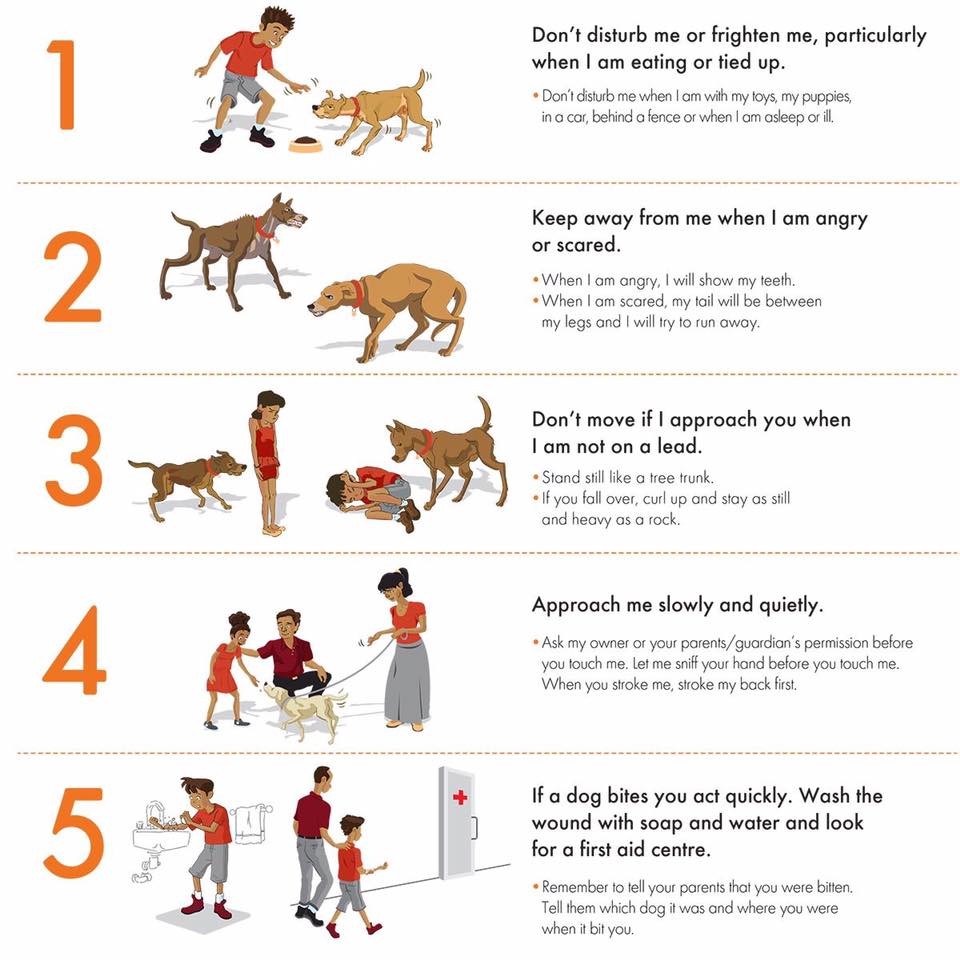
Credit: www.facebook.com
Frequently Asked Questions
Can Vaccinated Dogs Still Catch Rabies?
Vaccinated dogs have strong protection against rabies. It’s rare for them to get infected.
How Effective Is The Rabies Vaccine For Dogs?
The rabies vaccine is highly effective. It significantly reduces the risk of rabies infection in dogs.
Do Rabies Vaccines Need Boosters?
Yes, rabies vaccines require regular boosters. This ensures continued protection against rabies for your dog.
Are Rabies Vaccines Safe For Dogs?
Yes, rabies vaccines are safe. They are crucial for preventing rabies and protecting your dog’s health.
What Should I Do If My Vaccinated Dog Is Bitten?
Contact a vet immediately. They can check your dog’s vaccine status and provide necessary care.
How Long Does A Dog Dental Cleaning Take? Explained
Conclusion
Vaccination greatly reduces the risk of rabies in dogs. It’s crucial to keep vaccinations up to date. Protection depends on timely boosters. Rabies shots are not a one-time solution. Consult your vet regularly for advice. They ensure your dog’s best protection.
Always monitor your dog’s health closely. Any unusual behavior needs quick attention. A vaccinated dog is safer, but still needs care. Stay informed about local rabies risks. Knowledge keeps your pet healthy. Responsible pet care saves lives. Keep your furry friend safe and happy.