

Last Updated on November 12, 2025 by Jake Barkley
Have you ever wondered when your furry friend is ready to become a parent? It’s a question many dog owners find themselves asking.
Understanding the right age for dogs to breed is crucial for their health and the well-being of their future puppies. You want to ensure your beloved pet is both physically and mentally prepared for this life-changing event. You’ll discover the ideal age for breeding, why it matters, and what you need to consider before taking that step.
Stay with us to learn how to make the best choices for your loyal companion and their future family.
Credit: www.nylabone.com
Optimal Age For Dog Breeding
Understanding the optimal age for dog breeding is crucial for ensuring the health and well-being of both the dogs and their puppies. Breeding your dog at the right age can prevent health issues and promote successful pregnancies. It’s not just about physical maturity; emotional readiness plays a role too. If you’re considering breeding your dog, knowing when to start is key.
What Is The Ideal Age For Breeding?
Most experts agree that dogs should be mature enough before they breed. For females, waiting until they are at least two years old is recommended. This allows them to complete their physical growth and be emotionally mature to handle pregnancy.
Males can start breeding slightly earlier, usually around one to one-and-a-half years old. This is when they reach sexual maturity and can produce healthy sperm. But remember, just because they can breed doesn’t mean they should. Consider their emotional readiness too.
Why Does Age Matter?
Breeding too early can lead to complications. Younger dogs may not be ready to handle the physical demands of pregnancy and birth. They might also struggle with the emotional stress of raising puppies.
Older dogs, on the other hand, may face fertility issues. Their ability to produce healthy offspring decreases with age. It’s about finding that sweet spot where they are neither too young nor too old.
Consider Health Checks
Health is crucial when deciding the breeding age. Regular veterinary checks can help determine if your dog is healthy enough to breed. Conditions like hip dysplasia or heart issues can affect breeding success.
Screening for genetic diseases can also prevent passing health problems to the next generation. Healthy parents often lead to healthy puppies.
Emotional Readiness
Have you noticed how some dogs seem to mature faster than others? It’s not just about age; it’s about their emotional state. A dog with a calm demeanor may be ready to breed sooner than an anxious one.
Observe your dog’s behavior. Are they comfortable around other dogs? Do they handle stress well? Emotional maturity is as important as physical readiness.
Personal Insights
I had a Labrador who was eager to breed at just one year old. She was physically mature but emotionally still a pup. Waiting until she was two made all the difference. Her pregnancy was smooth, and she raised healthy puppies.
Have you experienced something similar with your dog? Reflecting on their maturity can help make the right breeding decision.
Conclusion: Making The Right Choice
Deciding when to breed your dog is a big decision. Consider their age, health, and emotional state. Taking these factors into account ensures you’re making the best choice for your furry friend.
What age do you think is optimal for breeding? Share your thoughts and experiences below!
Credit: spotpet.com
Physical And Emotional Maturity
Understanding the right age for dogs to breed is crucial. Physical and emotional maturity ensures healthy offspring and well-being. Let’s dive into what physical and emotional maturity means for dogs.
Physical Maturity In Dogs
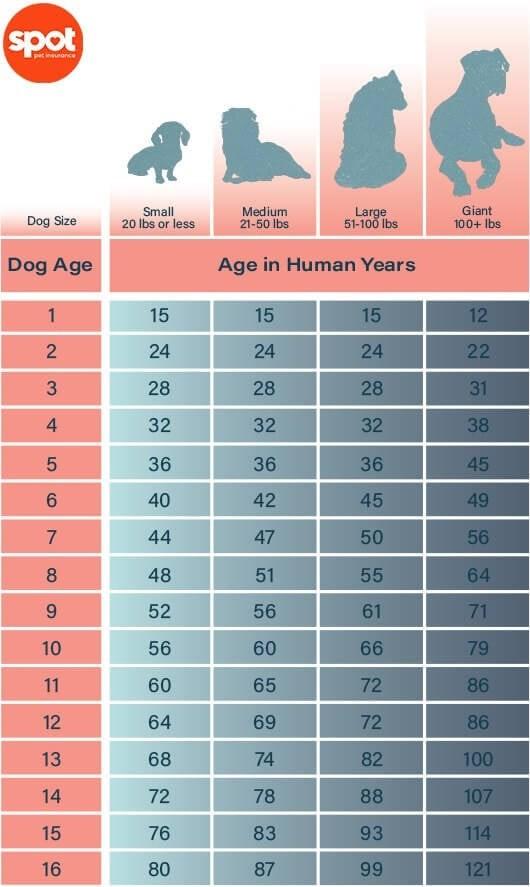
Dogs reach physical maturity at different ages. Smaller breeds mature quicker than larger ones. Typically, small dogs mature around 12 months. Larger breeds might take up to 24 months.
Physical maturity affects reproductive health. A mature dog is more likely to have healthy puppies. Mature dogs handle pregnancy and childbirth better.
Emotional Maturity In Dogs
Emotional maturity is as important as physical maturity. Dogs must be emotionally ready to breed. They need to handle the stress of parenthood.
Signs of emotional maturity include calm behavior. Dogs should not display excessive anxiety. A mature dog is patient and nurturing.
Signs Of Readiness To Breed
Look for signs of readiness in your dog. Physical signs include a healthy weight and strong body. Emotional signs include stable behavior and confidence.
Consult a vet for guidance. They can assess both physical and emotional readiness. Experts help determine the optimal breeding age.
Breed-specific Considerations
Different breeds have specific age considerations for breeding. Small dogs mature faster and may breed by 8 months. Larger breeds often need to wait until 18 months for safe breeding. Always consult a vet to determine the right age for your dog’s breed.
Understanding the right age for dogs to breed isn’t just about numbers. Different breeds have unique needs and considerations. The age for breeding can vary widely depending on the breed, size, and health of the dog. These breed-specific factors can significantly influence when a dog is ready to breed, impacting the health of both the mother and her puppies.
Small Breeds Vs. Large Breeds
Small breeds like Chihuahuas or Pomeranians mature faster than larger breeds. They can often breed safely at an earlier age, around 1 year old. However, large breeds such as Great Danes or Saint Bernards may need to wait until they are at least 18 months old. Their bodies take longer to fully develop, ensuring safer pregnancies and healthier puppies.
Health And Genetic Considerations
Before deciding to breed your dog, it’s crucial to consider health screenings. Breeds like Golden Retrievers or German Shepherds can be prone to genetic conditions. Testing for hip dysplasia or heart issues can prevent passing on hereditary problems. Ensuring both parents are healthy creates a stronger, healthier litter.
Temperament And Behavior
A dog’s temperament can also play a role in breeding readiness. Some breeds, known for their calm demeanor like Labrador Retrievers, might adapt well to breeding at an earlier age. Conversely, high-energy breeds like Border Collies might need more time to mature mentally. Observing your dog’s behavior can provide clues on their readiness for parenthood.
Consulting Your Veterinarian
Your veterinarian can provide insights specific to your dog’s breed. They can guide you on the best age for breeding and any health tests that might be necessary. Trusting expert advice ensures your dog’s safety and the well-being of future puppies. Have you considered all these factors before deciding on breeding? Ensuring your dog is ready, not just physically but also mentally and genetically, can make all the difference. Taking the time to understand these considerations can lead to healthier dogs and happier homes.
Credit: www.akc.org
Frequently Asked Questions
What Is The Best Age For Dogs To Breed?
Dogs should be at least 1-2 years old. This ensures they are physically mature.
How Often Can Dogs Safely Breed?
Female dogs should breed once a year. It allows time for recovery and health.
Are There Risks To Breeding Dogs Too Early?
Yes, early breeding can harm a dog’s health. It may lead to complications.
Can Older Dogs Still Breed Successfully?
Yes, but risks increase with age. Veterinary advice is recommended for older dogs.
How To Know If My Dog Is Ready To Breed?
Signs include heat cycles and physical maturity. Consult a vet for confirmation.
Do Male And Female Dogs Have Different Breeding Ages?
Yes, males can breed earlier than females. Females need more time to mature.
Conclusion
Understanding the right age for breeding dogs is crucial. Breeding too young can harm them. Waiting ensures their health and readiness. Most dogs breed safely at around two years old. At this age, they’re mature and stable. Ensure regular vet checks before breeding.
This helps in spotting any health issues. Choose the right partner for your dog. Consider temperament and health. Responsible breeding promotes healthy puppies. It also maintains breed standards. Always prioritize your dog’s well-being. Proper care leads to happier, healthier pets.
Respect their natural growth and development.