
Last Updated on August 11, 2026 by Jake Barkley
Are you struggling with sleepless nights because your furry friend just can’t settle down? Crate training your dog at night might be the game-changer you need.
Imagine waking up refreshed, knowing your dog is safe and sound. You’re not just teaching them to sleep; you’re giving them a cozy den they can call their own. In this guide, you’ll discover practical steps to make crate training a breeze, ensuring peaceful nights for both you and your pet.
Dive into these simple techniques, and soon, bedtime will be a time both you and your dog look forward to!

Credit: www.youtube.com
Preparing The Crate
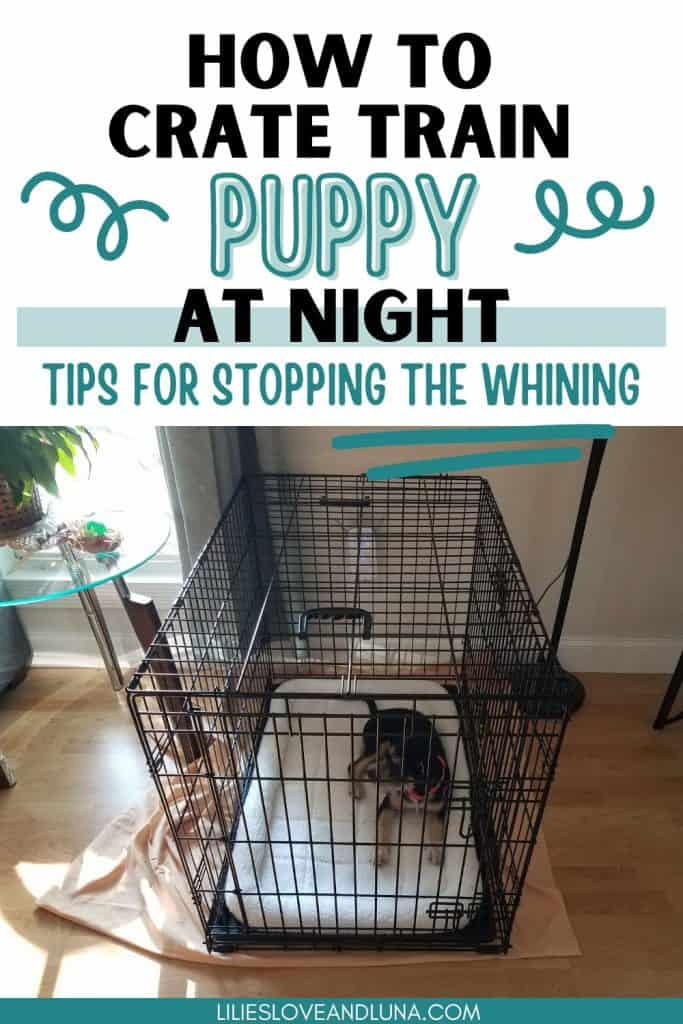
Start by placing soft bedding inside the crate to create a cozy space. Position it in a quiet area away from distractions. Ensure the crate is large enough for your dog to stand, turn, and lie down comfortably.
Preparing the crate for your dog is the first step to successful crate training at night. It’s more than just choosing a box and hoping for the best. Think of the crate as your dog’s bedroom—a safe haven where they feel comfortable and secure.
Choosing The Right Size Crate
The crate should be large enough for your dog to stand, turn around, and lie down comfortably. If it’s too big, they might use one corner as a bathroom. Measure your dog from nose to tail to get the right size.
Making The Crate Comfortable
Line the crate with a soft blanket or a dog bed. A familiar scent can help, so consider using a blanket that smells like you. This makes the crate inviting and reassuring for your pet.
Positioning The Crate
Place the crate in a quiet, low-traffic area of your home. Ideally, it should be close enough for your dog to see or hear you. This helps reduce anxiety and makes them feel less isolated at night.
Introducing Toys And Chews
Add a few toys or chewables inside the crate. These provide entertainment and help distract your dog from any initial discomfort. Choose toys that are safe and durable, avoiding anything that could be easily destroyed.
Creating A Calm Environment
Keep the lights dim and noise levels low around the crate. This sets the mood for sleep and helps your dog relax. Consider using a white noise machine if your home tends to be noisy.
Using A Cover For The Crate
Covering the crate with a blanket can create a den-like atmosphere. This adds a sense of security and helps block out distractions. Ensure there is enough airflow to keep your dog comfortable.
Trial Runs During The Day
Before night falls, let your dog explore the crate with the door open. Reward them with treats for going in and staying calm. This builds positive associations and prepares them for nighttime crate training. Remember, patience is key. How do you think your dog will react to their new nighttime space? By preparing the crate thoughtfully, you’re setting the stage for successful crate training.
.jpg)
Credit: www.serasi.tech
Establishing A Routine
Creating a calming night routine helps dogs adjust to crate training. Introduce the crate slowly, making it a cozy space with bedding and toys. Consistency in bedtime and gentle encouragement can foster comfort and security for your pet.
Establishing a routine for crate training your dog at night is crucial for a smooth transition. A consistent schedule helps your dog understand when it’s time to rest, ultimately leading to less anxiety and a more peaceful night for both you and your pet. By setting clear expectations, you can foster a sense of security and comfort for your furry friend.
Setting A Consistent Bedtime
Choose a specific time each night for your dog to settle into their crate. This could align with your own bedtime or be slightly earlier to give them time to adjust. A consistent bedtime helps signal to your dog that it’s time to wind down, much like how a bedtime routine works for children.
Creating A Pre-bedtime Routine
Develop a calming routine before bedtime to help your dog relax. This can include a short walk, a bathroom break, and some quiet time without loud noises or activities. A soothing pre-bedtime routine sets the mood for sleep and makes the transition to the crate smoother.
Using Positive Reinforcement
Encourage your dog to enter the crate by rewarding them with a treat or their favorite toy. Praise them verbally to reinforce positive behavior. Positive reinforcement makes the crate a welcoming place and helps your dog associate it with good things.
Maintaining Consistency
Stick to your routine even on weekends or days off. Dogs thrive on consistency, and breaking the routine can confuse them. If you maintain the schedule, your dog will likely become more comfortable with nighttime crate training.
Monitoring Your Dog’s Comfort
Observe your dog for signs of discomfort or anxiety. Adjust the routine if needed to better suit their needs. Pay attention to their reactions, and be flexible with changes that might improve their crate experience. Have you ever noticed how a consistent bedtime routine affects your own sleep? It’s similar for your dog. Establishing a routine might take some effort, but the rewards of a well-rested and happy dog are worth it.
Addressing Nighttime Challenges
Crate training a dog at night can present unique challenges. Dogs may feel isolated or anxious in a crate. Addressing these nighttime challenges can make the process smoother. Understanding your dog’s needs and creating a comforting environment is key.
Minimize Nighttime Anxiety
Many dogs experience anxiety when crated at night. To minimize this, place the crate in a familiar area. Ensure your dog can see or hear you. This provides comfort and reduces feelings of loneliness.
Establish A Consistent Routine
Consistency is crucial for successful crate training. Establish a bedtime routine that your dog can recognize. This could include a short walk, bathroom break, and calm time. Consistent routines help your dog understand what to expect.
Provide Comforting Items
Include familiar items in the crate, like a favorite toy or blanket. These items can offer comfort and security. They can help your dog settle more easily at night.
Monitor Temperature And Lighting
Ensure the crate environment is comfortable. Check the temperature and lighting in the room. A too hot or cold room can disturb your dog’s sleep. Dim lighting can create a calming atmosphere.
Address Nighttime Whining
Nighttime whining can be a common issue. It’s important to distinguish between whining for attention and genuine needs. If your dog needs a bathroom break, attend promptly. For attention-seeking whining, ignore to discourage the behavior.
Credit: gntos.org
Frequently Asked Questions
Why Is Crate Training At Night Important?
Crate training helps your dog feel safe. It creates a routine. Dogs enjoy having their own space.
How Long Should A Dog Stay In The Crate At Night?
Most dogs sleep 6 to 8 hours at night. Let your dog out to pee in the morning.
What If My Dog Cries In The Crate At Night?
Dogs cry for many reasons. Ensure comfort. Check if they need to pee or feel scared.
Can Crate Training Help With Potty Training?
Yes, it helps teach bladder control. Dogs avoid soiling their sleeping area.
How Do I Choose The Right Crate For My Dog?
Ensure the crate is big enough. Your dog should stand, turn, and lie comfortably.
Conclusion
Crate training a dog at night offers many benefits. It creates a safe space. Helps with house training. Promotes good sleep habits. Dogs find comfort in routine. Start with short periods. Gradually increase crate time. Be patient and consistent. Reward positive behavior.
Use treats and praise. Keep the crate inviting. Soft bedding and toys help. Maintain a calm environment. Reduce stress and anxiety. Every dog is different. Adjust methods as needed. Celebrate small wins. Build trust and comfort. Soon, your dog will love their crate.
Nighttime training can be successful. Enjoy peaceful nights with your furry friend.