
Last Updated on August 11, 2026 by Jake Barkley
Adopting a dog from a shelter is a heartwarming decision that can change both your life and the life of a furry friend. But bringing a new dog home also comes with its challenges, and one of the most effective ways to ensure a smooth transition is through crate training.
You might wonder if it’s the right choice for your new companion, or how to even begin the process. The truth is, crate training can be incredibly beneficial, offering your dog a sense of security and giving you peace of mind.
Imagine coming home to find your dog relaxed and comfortable, rather than anxious or stressed. This guide will walk you through the steps to crate train your shelter dog, turning this new chapter into a joyful experience for both of you. Ready to create a happy and harmonious home? Let’s dive in!
Credit: lifelineanimal.org
Preparing For Crate Training
Preparing for crate training a shelter dog involves thoughtful planning. Understanding a shelter dog’s background is crucial. Their past experiences can affect their adaptation to new environments. A crate can become a safe haven, but only if introduced correctly. Ensuring the dog feels secure and comfortable is key. This section will guide you through the preparation steps.
Understanding Your Dog’s Needs
Shelter dogs often come with a unique set of challenges. Knowing your dog’s history helps tailor the training process. Is your dog shy or anxious? These traits need special attention. Observe their behavior for cues on how they might react.
Selecting The Right Crate
Choosing a crate is a crucial step. It should be spacious enough for comfort. The dog should be able to stand and turn easily. Consider the material as well. Metal crates offer durability but may feel cold. Plastic crates provide warmth but can be less sturdy.
Creating A Welcoming Environment
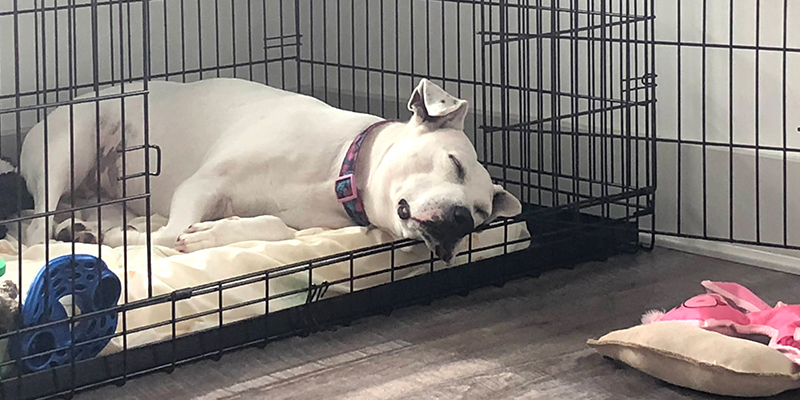
The crate’s location affects its appeal. Place it in a quiet corner. Away from loud noises and distractions. Add soft bedding inside for comfort. Consider placing a few toys or a blanket to create familiarity. A welcoming environment encourages the dog to feel secure.
Introducing The Crate Gradually
Rushing the introduction can cause stress. Start by letting your dog explore the crate. Allow them to sniff and inspect it. Praise them for any positive interaction. Gradual exposure builds confidence and reduces anxiety.
Using Positive Reinforcement
Encourage crate use with treats and praise. Positive reinforcement strengthens a dog’s association with the crate. Reward them for entering and staying calm. Consistent encouragement helps them see the crate as a safe space.
Credit: www.aspcapetinsurance.com
Introducing The Crate
Crate training a shelter dog helps in building trust and ensures comfort. Start by creating a cozy and safe space. Introduce the crate gradually, using treats to make the experience positive and rewarding.
Introducing your shelter dog to a crate can be a transformative experience for both you and your new furry friend. It’s not just about providing a cozy spot; it’s about creating a safe haven that your dog can retreat to when feeling overwhelmed. Crate training fosters a sense of security and helps your dog adjust to their new environment. But how do you start this journey on the right foot?
Choosing The Right Crate
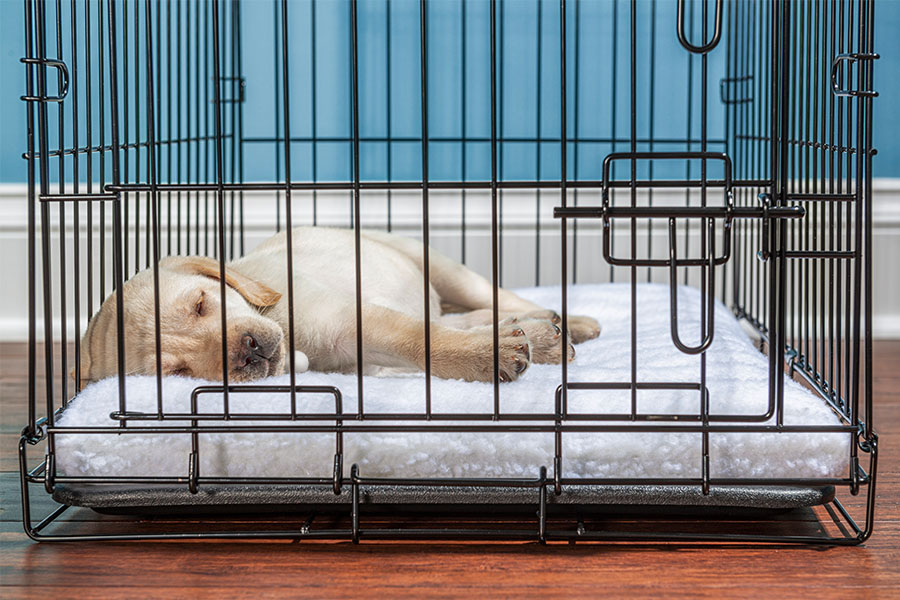
Finding the perfect crate is crucial. Consider your dog’s size and comfort—there should be enough room for them to stand, turn around, and lie down comfortably. Opt for a sturdy and durable crate, as shelter dogs might initially be a bit anxious. A well-chosen crate can significantly ease the training process.
Setting The Location
Where you place the crate matters. Choose a quiet yet not isolated spot in your home. This ensures your dog feels part of the family while having their own space. Avoid high-traffic areas where constant noise might stress them out. Think about where you relax; your dog should have a similar vibe.
Making The Crate Inviting
Transform the crate into a welcoming space. Add a soft blanket or a plush bed, making it as comfortable as possible. Toss in a few of your dog’s favorite toys. This encourages them to explore it voluntarily. Reflect on what makes your own bed inviting, and apply those principles here.
Introducing The Crate Gradually
Take it slow. Allow your dog to explore the crate at their own pace. Leave the door open initially, letting them wander in and out freely. You can even reward them with treats when they show interest. Patience is key—don’t rush this step, as it builds trust and comfort.
Creating Positive Associations
Whenever your dog enters the crate, shower them with praise or offer a treat. This creates a positive association with the space. Make the crate feel like a rewarding experience. Can you recall a place where you felt truly at ease? Aim to replicate that feeling for your dog.
What If Your Dog Resists?
Not every dog will take to the crate instantly. If yours hesitates, try enticing them with treats or meals inside the crate. Don’t force them inside; instead, encourage them gently. Have you ever been reluctant to try something new? Empathize with your dog’s hesitance and guide them with patience. In your journey to crate train a shelter dog, remember: patience, empathy, and understanding pave the way to success. Engage with your dog, listen to their cues, and adjust accordingly. Are you ready to transform their crate into a sanctuary?
Building Positive Associations
Building positive associations is crucial in crate training a shelter dog. A crate should be a safe, welcoming space for your pet. Creating good experiences in the crate helps your dog feel secure and comfortable. This process takes patience, but the rewards are worth it. Your dog will learn to trust and enjoy their crate.
Place the crate in a quiet area of your home. Ensure it’s comfortable with a soft blanket or bed inside. Let your dog explore the crate at their own pace. Leave the door open and allow them to enter and exit freely.
Use a calm voice to reassure them. This will make them feel more at ease. Never force your dog into the crate. It should be their choice to enter.
Using Treats And Toys
Treats can make the crate more appealing. Toss a few small treats inside the crate. Let your dog find them on their own. This creates a positive connection with the crate.
Toys are also great for crate training. Place a favorite toy inside the crate. Your dog will associate the crate with fun and play. Rotate toys to keep things interesting and exciting.
Feeding Inside The Crate
Feeding your dog in the crate builds positive associations. Start by placing their food bowl near the crate. Gradually move it inside over a few days. This teaches your dog to see the crate as a safe eating spot.
Always praise your dog when they eat in the crate. This reinforces the idea that the crate is a happy place.
Short Crate Sessions
Begin with short crate sessions while you are home. Close the door for a few minutes at a time. Gradually increase the duration as your dog becomes comfortable.
Stay nearby and speak softly to soothe them. This helps reduce any anxiety they might feel.
Consistency And Patience
Consistency is key in crate training. Use the same cues and rewards each time. Patience is also essential. Every dog learns at their own pace.
Celebrate small wins with your dog. This will encourage them to progress further in their training.

Credit: bestfriends.org
Frequently Asked Questions
How Long Does Crate Training A Shelter Dog Take?
Crate training time varies. Some dogs learn in days. Others need weeks. Be patient.
Why Is Crate Training Important For Shelter Dogs?
Crate training provides safety and comfort. Helps with house training. Reduces anxiety in new environments.
What Size Crate Is Best For A Shelter Dog?
Choose a crate where your dog can stand, turn, and lie comfortably. Not too big.
How Do I Make The Crate Inviting For My Dog?
Add soft bedding. Include favorite toys. Use treats to create positive associations.
Can Crate Training Help With Separation Anxiety?
Yes, it can. A crate offers a safe space. Eases anxiety when you’re away.
Conclusion
Crate training a shelter dog needs patience and love. Start with short sessions. Gradually increase crate time. Always reward good behavior. Let your dog feel secure in the crate. Keep the experience positive. Your dog will adapt soon. Remember, every dog is different.
Some learn quickly. Others need more time. Stay consistent and gentle. Your shelter dog deserves understanding and care. Crate training builds trust. It strengthens your bond. Help your dog feel at home. They will thrive in their new environment. Enjoy the journey together.
Your efforts will pay off. A happy, well-trained dog awaits.