

Last Updated on August 11, 2026 by Jake Barkley
You love your dog, but the thought of them biting a stranger can be terrifying. It’s a fear many dog owners share, and for good reason.
A dog that bites can create stressful situations, potential legal issues, and even cause harm to others. You want to ensure your furry friend is well-behaved and safe around everyone they meet. But how do you train your dog not to bite strangers?
The solution might be easier than you think, and it starts with understanding your dog’s behavior and using the right techniques. You’ll discover effective strategies to help your dog feel comfortable and calm around new people, ensuring a happy, bite-free interaction every time. Are you ready to transform your dog’s behavior and ease your worries? Keep reading to find out how.

Credit: www.petdoors.com
Understanding Canine Behavior
Understanding your dog’s behavior helps train them effectively. Dogs communicate through body language and actions. Observing these can provide insights into their feelings. Recognizing signs of stress or fear is crucial. Misinterpretations can lead to training mistakes.
Dogs often bite due to fear or insecurity. They may feel threatened by strangers. Training them requires patience and consistency. Comprehending their instincts can guide your approach.
What Triggers Aggression?
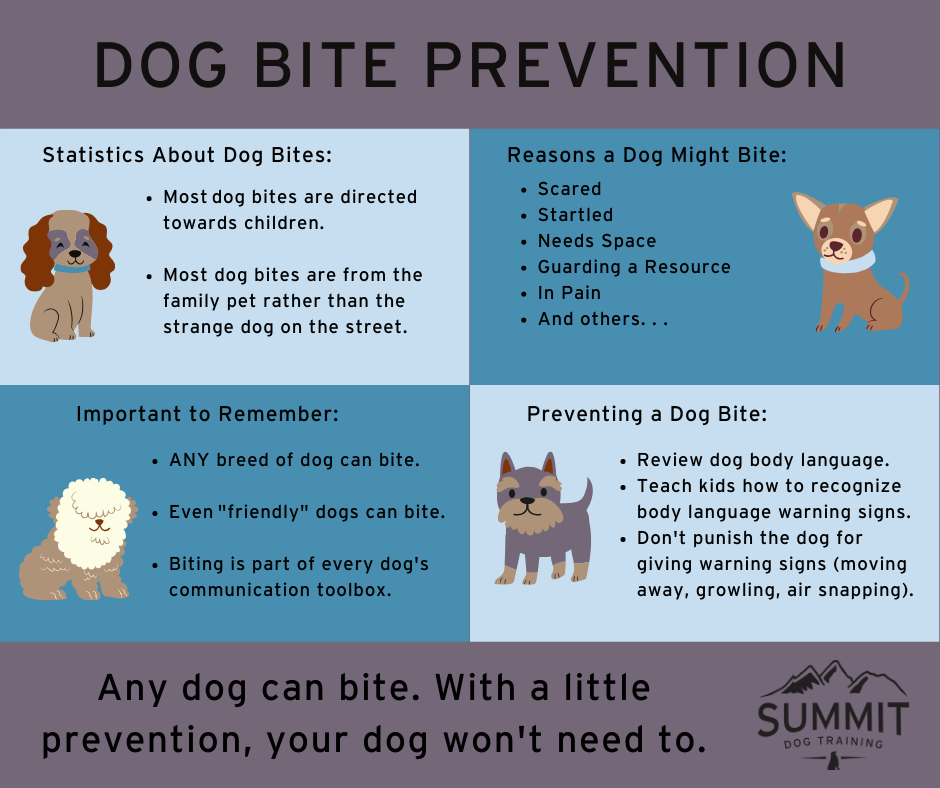
Aggression in dogs can stem from various triggers. Fear or territorial instincts often cause it. Some dogs are naturally more protective. Identifying these triggers helps in preventing bites. Addressing the root cause is vital for effective training.
Reading Body Language
Dogs communicate through their bodies. Tail position, ear movement, and posture speak volumes. A wagging tail doesn’t always mean happiness. Observing your dog’s body language helps understand their mood. This knowledge aids in addressing potential aggression.
Fear-based Responses
Fear often drives dogs to bite. Strangers may seem threatening to them. Recognizing signs of fear can prevent incidents. Yawning, lip licking, or cowering indicate anxiety. Addressing these responses builds trust and reduces biting risks.
Building Trust With Socialization
Socialization plays a key role in reducing fear. Introducing your dog to new people slowly can help. Positive experiences with strangers build confidence. Reward good behavior with treats and praise. Consistent practice enhances their comfort around others.
Establishing Leadership
Dogs need clear leadership. Establishing yourself as the leader helps in training. Consistent rules and boundaries create a sense of security. A well-structured environment reduces stress. It also minimizes the likelihood of biting incidents.

Credit: demarinisdogtraining.com
Effective Training Techniques
Training a dog not to bite strangers involves consistent socialization and positive reinforcement. Encourage good behavior with treats and praise. Gradual exposure to different people reduces fear and aggression.
Training a dog not to bite strangers is crucial for their safety and your peace of mind. Using effective training techniques can make this process smoother and more successful. Let’s explore some practical methods that can help in curbing this behavior.
1. Socialization Is Key
Socializing your dog from a young age is vital. Introduce them to various environments, people, and other animals. This exposure helps them feel comfortable and reduces fear-based biting. Take your dog to parks, cafes, or pet-friendly events. The more they experience, the less likely they are to react aggressively out of unfamiliarity. Remember, a well-socialized dog is a confident dog.
2. Positive Reinforcement
Reward your dog for good behavior. Use treats, praise, or toys when they interact calmly with strangers. This positive reinforcement encourages them to repeat the desired behavior. Avoid punishing your dog if they react negatively. Instead, calmly redirect their attention and reward them when they comply. Positive reinforcement builds trust and understanding.
3. Consistency In Commands
Consistency is crucial in training. Use the same commands and signals each time you practice. This clarity helps your dog understand what’s expected of them. For example, use a firm “sit” or “stay” command when a stranger approaches. Consistent training sessions help solidify these commands in your dog’s mind, making them second nature.
4. Use A Leash For Control
A leash gives you control over your dog’s movements. It’s especially helpful when introducing them to new people. Keep your dog on a leash during training sessions to manage any sudden reactions. Practice leash training in a calm environment first. Gradually introduce more challenging situations as they become more comfortable.
5. Seek Professional Help If Needed
If your dog’s biting behavior is persistent, consider professional help. A certified dog trainer can offer personalized strategies. They can identify specific triggers and develop a tailored plan for your dog. Professional guidance can make a significant difference, especially if previous attempts haven’t worked. Don’t hesitate to seek help if you’re feeling stuck. Have you ever wondered how your dog perceives strangers? Understanding their perspective might provide deeper insights into their behavior. Remember, training takes patience and persistence, but the results are rewarding for both you and your furry friend.
Maintaining Consistency And Safety
Training a dog not to bite strangers takes time and effort. Consistency and safety are vital in this process. Dogs learn best through repeated actions and clear rules. Keeping a safe environment reduces risks for everyone involved.
Establishing a routine helps dogs understand expectations. This makes them feel secure and calm. A consistent approach means using the same commands and rewards. Over time, dogs associate good behavior with positive outcomes.
Create A Safe Space
Designate a safe area for your dog. This space should be comfortable and free from distractions. A quiet room or a fenced yard works well. This gives your dog a place to relax and feel secure.
Use The Same Commands
Choose simple commands like “sit” or “stay”. Use them consistently during training sessions. Repeat these commands in a calm and clear voice. This helps your dog understand what you expect.
Reward Positive Behavior
Praise your dog when it behaves well. Offer treats or petting as rewards. Positive reinforcement encourages good behavior. Dogs respond well to rewards and attention.
Supervise Interactions
Always watch your dog when it meets new people. Supervised interactions prevent accidents. Keep your dog on a leash in unfamiliar settings. This ensures you can control any situation.
Stay Calm And Patient
Patience is key to successful training. Dogs can sense your mood and react to it. Staying calm helps them feel at ease. Training is a gradual process; take it one step at a time.
Credit: www.summitdogtraining.com
Frequently Asked Questions
How Can I Stop My Dog From Biting Strangers?
Start with socializing your dog. Reward good behavior. Teach commands like “no” or “stop. ” Always supervise interactions.
What Training Methods Help Prevent Dog Bites?
Use positive reinforcement. Train commands like “sit” and “stay. ” Redirect biting with toys. Be consistent and patient.
Why Do Dogs Bite Unfamiliar People?
Fear, anxiety, or territorial instincts may cause biting. Lack of socialization can also be a reason.
Can Professional Trainers Help With Dog Biting?
Yes, professional trainers offer tailored guidance. They use techniques to improve behavior and reduce biting risks.
How Important Is Early Socialization For Dogs?
Very important. Early socialization reduces fear. Helps dogs feel comfortable around strangers. Encourages positive behavior.
Conclusion
Training a dog not to bite strangers takes time and patience. Consistent efforts build trust and understanding. Use positive reinforcement to encourage good behavior. Reward calm interactions. Socialize your dog with different people and settings. Supervision is key during this process.
Stay patient and committed. Always seek professional help if needed. Every dog is different; adjust methods accordingly. Enjoy the journey of training. A well-trained dog brings peace of mind. Cultivate a safe and friendly environment. You and your dog can achieve this together.
Happy training!