

Last Updated on August 11, 2026 by Jake Barkley
Your dog’s health is important to you, and you always want to make the best choices for them. You’ve probably heard that dental cleaning is crucial for dogs, just as it is for humans.
But the question lingers in your mind: Is dog dental cleaning safe? You might feel a twinge of worry thinking about the unknowns of this procedure. You’re not alone. Many pet owners share your concerns. But imagine a world where your furry friend enjoys a longer, healthier life, free from dental pain and disease.
The peace of mind that comes with knowing you’ve made the right decision for your pet is invaluable. We’ll uncover the truth about dog dental cleaning and put your fears to rest. Keep reading to discover why your dog’s dental health is more important than you might think and how you can ensure their safety and happiness.
Benefits Of Dog Dental Cleaning
Dog dental cleaning is vital for maintaining your pet’s health. Many pet owners wonder about its safety. Understanding the benefits can ease concerns. Proper dental care prevents many health issues. It ensures your dog lives a longer, healthier life.
Improved Oral Health
Dental cleaning removes plaque and tartar. These cause cavities and gum disease. Regular cleaning reduces bad breath. It also prevents painful infections in the mouth.
Prevention Of Systemic Diseases
Oral bacteria can enter the bloodstream. This affects organs like the heart and kidneys. Dental cleaning lowers the risk of these diseases. It keeps your dog’s whole body healthier.
Enhanced Quality Of Life
A healthy mouth means a happier dog. Eating becomes easier without dental pain. Clean teeth boost your dog’s mood and energy. They enjoy life more when free from oral discomfort.
Cost-effective In The Long Run
Preventive care saves money over time. Treating dental problems can be expensive. Regular cleaning avoids costly treatments. Investing in dental health is smart financially.
Boosts Overall Health
Good dental hygiene supports general health. It prevents infections that can spread. Healthy teeth contribute to a strong immune system. This keeps your dog active and vibrant.

Credit: thebetterbone.com
Risks And Concerns
Dog dental cleaning is important for your pet’s health. But some pet owners worry about the risks. Understanding these risks can help you make informed choices. Let’s explore the potential concerns of dog dental cleaning.
Possible Anesthesia Complications
Anesthesia is often used during dental cleanings. It keeps dogs calm and still. But some dogs may react badly. Reactions can be mild or severe. Always discuss anesthesia risks with your vet. This way, you can ensure your pet’s safety.
Post-cleaning Discomfort
Dogs may feel discomfort after a dental cleaning. Their gums might be sore or swollen. This is usually temporary. Still, keep an eye on your dog for signs of pain. A vet can provide guidance for relief.
Risk Of Infection
Infections can sometimes occur after dental procedures. Proper cleaning and care reduce this risk. Follow your vet’s advice on post-cleaning care. This helps ensure a smooth recovery for your pet.
Cost Concerns
Dog dental cleaning can be costly. Some owners worry about the expense. But regular cleaning prevents bigger health issues later. Investing in dental care can save money in the long run.
Potential Misdiagnosis
Sometimes, dental issues can be missed or misdiagnosed. Choose a vet with experience in dental care. They can accurately assess and treat your dog’s dental health.
Best Practices For Safe Cleaning
Dog dental cleaning is an essential aspect of pet care. Proper cleaning prevents tooth decay and other health issues. Many pet owners wonder about the safety of dental cleaning procedures. By following best practices, you can ensure your dog’s teeth are cleaned safely and effectively.
Understanding Professional Dental Cleaning
Professional cleaning is performed by a veterinarian. It includes thorough cleaning and polishing of teeth. This process is safe when conducted by trained professionals. They use specialized tools to remove plaque and tartar.
Choosing The Right Veterinarian
Not all veterinarians specialize in dental care. Find a vet with experience in canine dental procedures. Ask for recommendations or read reviews online. A skilled veterinarian ensures safe and effective cleaning.
Monitoring Anesthesia Use
Anesthesia is used during professional cleaning. It keeps the dog calm and pain-free. Discuss anesthesia options with your vet. Ensure the chosen method is safe for your dog’s health condition.
Regular Home Care
Routine home care is crucial between professional cleanings. Brush your dog’s teeth regularly with pet-safe toothpaste. Use dental chews to reduce plaque buildup. Regular home care supports overall dental health.
Diet And Dental Health
A balanced diet contributes to healthy teeth. Choose foods that promote dental health. Avoid sticky foods that can cause plaque. Consult your vet for dietary recommendations.
Recognizing Signs Of Dental Issues
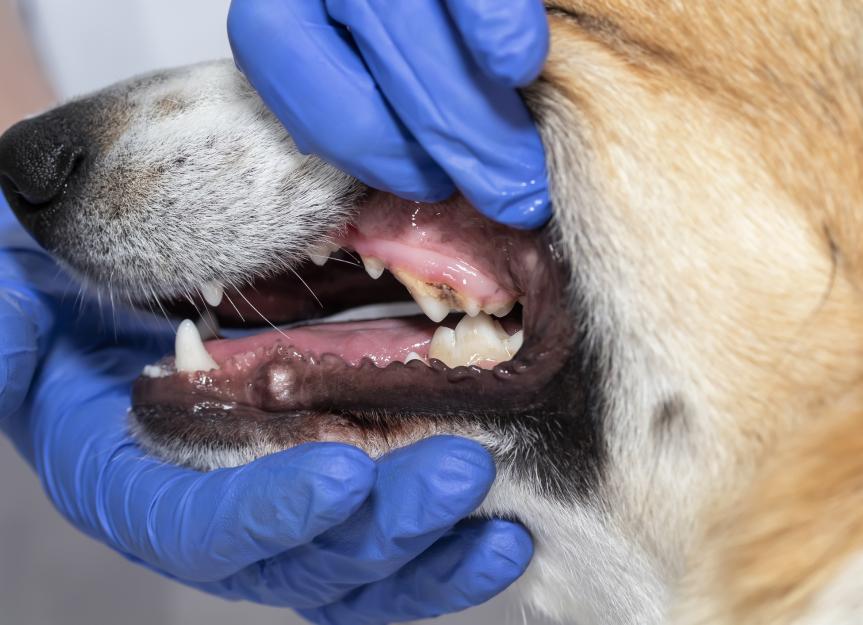
Learn to spot signs of dental problems. Bad breath, swollen gums, or difficulty eating may indicate issues. Early detection helps in addressing problems before they worsen.

Credit: www.amazon.com
Credit: www.petmd.com
Frequently Asked Questions
Is Dog Dental Cleaning Painful For Pets?
Dog dental cleaning is generally not painful. Vets use anesthesia for comfort and precision during the process.
How Often Should Dogs Have Dental Cleanings?
Dogs should have dental cleanings once a year. Regular cleanings help prevent gum disease and tooth decay.
What Are The Risks Of Dog Dental Cleaning?
Risks are minimal with professional care. Anesthesia is carefully monitored to ensure safety during the procedure.
Can Dental Cleaning Improve My Dog’s Health?
Yes, it can improve your dog’s health. Clean teeth reduce bacteria and prevent serious dental diseases.
How Do I Prepare My Dog For Dental Cleaning?
Discuss with your vet before the appointment. Ensure your dog is healthy and has fasted as instructed.
Conclusion
Ensuring your dog’s dental health is crucial for overall well-being. Regular cleanings can prevent serious health issues. Always consult your vet for safe dental care options. Discuss any concerns about the procedure. Your vet knows what’s best for your dog.
Good dental hygiene can lead to a happier, longer life. Watch for signs of dental problems. These include bad breath, red gums, and difficulty eating. Early detection helps in preventing major issues. Invest in your dog’s health today. Regular care and professional advice make a significant difference.
Your dog’s smile is worth the effort.