

Last Updated on December 1, 2025 by Jake Barkley
Are you curious about the growth stages of your small breed dog? Understanding when your tiny companion will stop growing can help you plan for their future needs, from diet to exercise.
It’s a question many pet owners ask, and the answer might surprise you. Knowing this can ease your worries and help you enjoy every moment of your pup’s development. By the end of this article, you’ll gain clear insights and feel more connected to your furry friend’s life journey.
So, let’s dive into the fascinating world of small breed dogs and uncover the secrets of their growth patterns.

Credit: pupford.com
Growth Stages Of Small Breed Dogs
Understanding the growth stages of small breed dogs is crucial for ensuring their healthy development. These adorable companions often have different growth patterns compared to larger breeds. Knowing when your small breed dog stops growing helps in tailoring their nutrition, exercise, and care. Let’s dive into what these stages look like and how you can support your furry friend through each phase.
Stage 1: Puppyhood (birth To 6 Months)
During puppyhood, small breed dogs experience rapid growth. You might notice their paws growing faster than the rest of their bodies. This stage is all about discovery and playfulness. Puppies are learning about their environment, so engaging them with toys and social interactions is vital. Are you giving your puppy enough opportunities to explore?
Stage 2: Adolescence (6 Months To 1 Year)
Adolescence marks a significant transition. Growth slows down but doesn’t completely stop. Small breed dogs begin to show more defined features. This is when training becomes essential. Are you reinforcing good behavior and setting boundaries? Consistency is key during this stage, helping them grow into well-behaved adults.
Stage 3: Young Adulthood (1 Year To 2 Years)
Young adulthood is where growth stabilizes. Most small breeds reach their adult size by 1 year but continue to fill out until 2 years. It’s crucial to monitor their diet. Are you adjusting their caloric intake to prevent obesity? Keeping a balanced diet supports healthy weight and energy levels.
Stage 4: Full Maturity (2 Years And Beyond)
By 2 years, your small breed dog is fully mature. Growth has ceased, and they’re at their adult height and weight. This stage is about maintaining health. Regular check-ups and exercise are vital. Are you providing enough mental stimulation to keep them sharp and happy?
Recognizing these stages helps you care for your dog effectively. Each phase presents unique challenges and joys. Reflect on your dog’s growth journey, and remember that nurturing their development leads to a rewarding companionship. What’s the most surprising thing you’ve learned from watching your dog grow?
Credit: www.petmd.com
Factors Influencing Growth
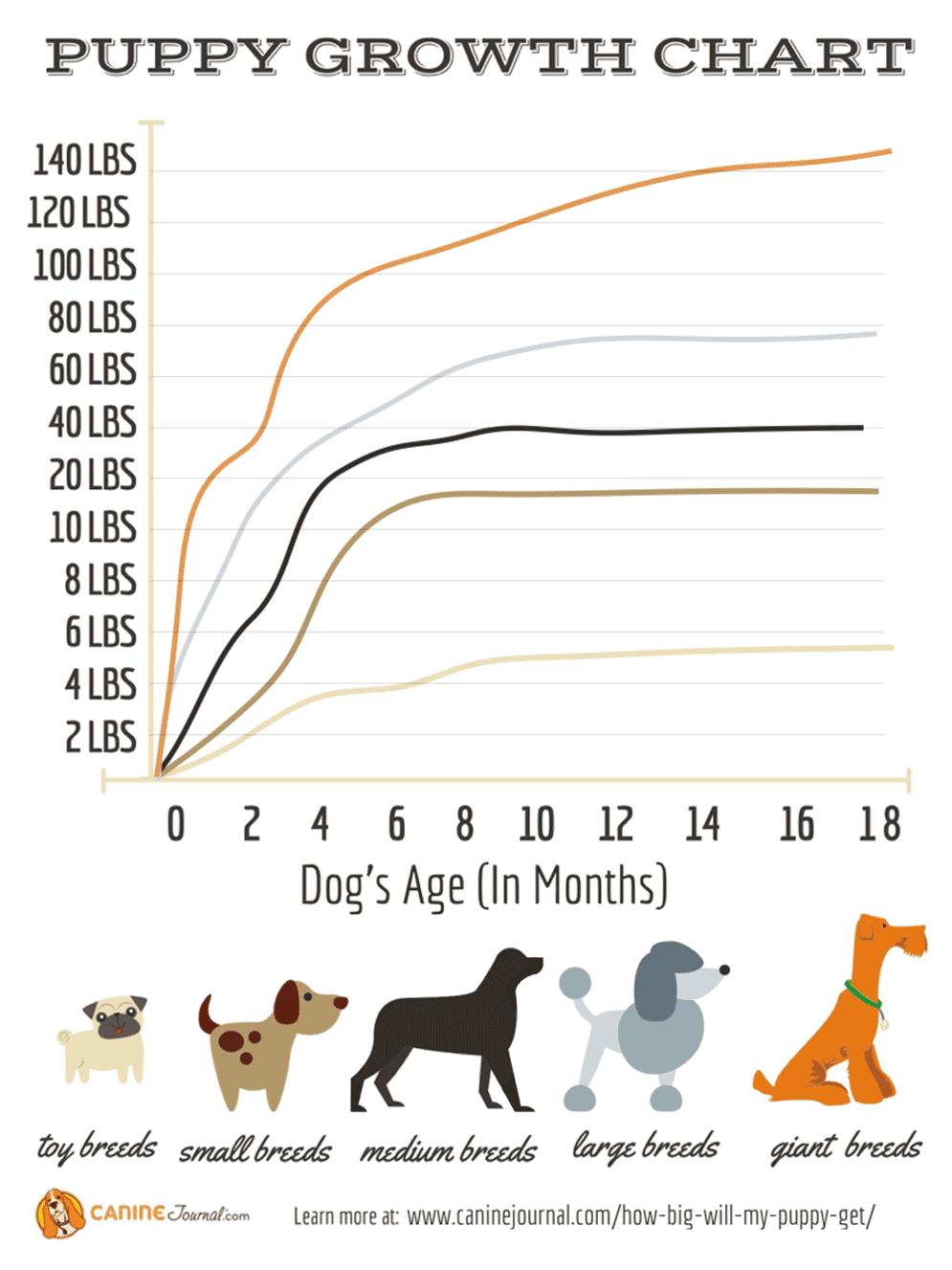
Small breed dogs usually stop growing between 10 to 12 months old. Genetics and nutrition play a big role in their growth. Regular vet check-ups ensure healthy development and can provide guidance on diet.
Understanding the factors that influence the growth of small breed dogs can be incredibly useful. It helps you manage their nutrition, health, and overall well-being. Each dog is unique, but some common elements can guide you on what to expect as your tiny companion grows.
Genetics And Breed
Genetics play a crucial role in determining a dog’s growth rate. Breeds like Chihuahuas and Pomeranians typically reach their full size faster than larger breeds. Knowing your dog’s breed can give you a rough timeline of when growth might slow or stop.
Nutrition And Diet
The food your dog eats significantly impacts its growth. High-quality dog food with the right balance of proteins, fats, and vitamins supports healthy development. Skimping on nutrition can lead to stunted growth or health issues.
Exercise And Physical Activity
Regular exercise is vital for a growing puppy. It helps build strong muscles and bones. However, over-exercising can stress a young dog’s developing body, so find a balance that suits your dog’s breed and energy levels.
Health Conditions
Health issues can affect growth, sometimes delaying it or causing it to stop prematurely. Regular vet check-ups can catch problems early. Conditions like parasites or hormonal imbalances might be the hidden culprits behind slow growth.
Environmental Factors
The environment in which a dog is raised can also influence its development. Stressful or unsafe conditions might hinder growth. Providing a loving and safe home can contribute to a happy and healthy dog. Have you noticed that some small dogs seem to grow overnight while others take their time? It’s fascinating how varied growth patterns can be. By understanding these factors, you can better support your furry friend as they transition from a playful puppy to a mature dog.
Signs Of Growth Completion
Small breed dogs have unique growth patterns compared to larger breeds. Understanding signs of growth completion helps ensure your pet’s health. These signs indicate your dog has reached its full size and maturity. Observing these signs prevents overfeeding and supports their well-being.
Physical Development
Small breed dogs typically stop growing around 12 months old. Their bones and muscles fully develop, showing signs of growth completion. The legs become sturdy and proportionate to their body. This physical development marks the end of their growth phase.
Weight Stability
Weight stability is a key indicator of growth completion. When your dog’s weight remains constant for several weeks, growth has likely stopped. A stable weight suggests their body has fully matured. Regular weigh-ins help track this stability.
Dental Maturity
Dental maturity is a crucial sign of growth completion. Adult teeth replace baby teeth around 6 to 8 months. Fully developed teeth indicate your dog’s growth phase is ending. Check their teeth for signs of maturity.
Behavior Changes
Behavior changes often signal growth completion in small breed dogs. As they mature, they become less playful and more relaxed. Increased calmness and focus are signs they have matured. This transition indicates the end of their growth period.
Veterinary Confirmation
A vet can confirm growth completion with a physical examination. They assess bone structure and other growth markers. A professional opinion ensures your dog has reached full maturity. Regular vet visits provide peace of mind.
Credit: www.caninejournal.com
Frequently Asked Questions
At What Age Do Small Breed Dogs Stop Growing?
Small breed dogs typically stop growing by 12 months of age. Some may finish growing even earlier.
How Can I Tell If My Small Dog Is Fully Grown?
Check their weight and height compared to breed standards. Vet visits help confirm growth completion.
Do Small Breed Dogs Grow Slower Than Large Breeds?
No, small breeds grow faster. They often reach adult size sooner than large breeds.
What Factors Affect Small Breed Dog Growth?
Nutrition, genetics, and health play key roles. Proper diet ensures healthy growth.
Is My Small Breed Puppy’s Growth Normal?
Regular vet check-ups track growth. Comparing with breed standards also helps assess normal development.
Can A Small Breed Dog’s Growth Be Stunted?
Yes, poor nutrition or health issues can stunt growth. Consult a vet for guidance.
Conclusion
Small breed dogs grow fast. Most stop growing by 12 months. Some might grow until 18 months. Proper diet helps healthy growth. Regular vet visits ensure well-being. Growth depends on breed, genetics, and care. Watching their development is exciting. Smaller breeds need less space.
They offer companionship without needing much room. Understanding their growth stages helps in planning care. Enjoy the journey with your tiny friend. Their size doesn’t limit their love. Cherish each stage. Puppies grow quickly, but their bond lasts forever.