
Last Updated on August 11, 2026 by Jake Barkley
Imagine navigating the world without the gift of sight. Simple tasks become daunting challenges.
What if there was a loyal companion by your side, ready to guide you through every step? Guide dogs have been that beacon of hope for countless individuals, offering independence and companionship. But have you ever wondered when this incredible journey began?
When were guide dogs first trained to lead the blind? This captivating story unfolds with tales of innovation, compassion, and the unwavering bond between humans and their canine counterparts. As you delve into this fascinating history, you’ll discover not just dates and milestones, but the profound impact these remarkable animals have had on human lives. Get ready to uncover an inspiring narrative that might just change the way you view these extraordinary creatures.
Origins Of Guide Dogs
The journey of guide dogs began centuries ago. These loyal companions have transformed lives by leading the blind. The origins of guide dogs reveal a fascinating history. From ancient artifacts to modern training programs, their legacy grows.
Early Mentions In History
Historical records mention dogs guiding the blind in Roman times. A mural from Herculaneum depicted a dog leading a blind man. Such evidence suggests early recognition of their potential. Ancient texts also hint at similar relationships between humans and dogs.
Middle Ages And Beyond
During the Middle Ages, references to guide dogs continued. Depictions in art showed dogs assisting blind individuals. These dogs provided companionship and guidance. Despite limited formal training, their natural instincts were evident.
Formal Training Initiatives
Formal training of guide dogs began in the early 20th century. World War I was a turning point for guide dog training. German Shepherds were trained to assist veterans who lost their sight. This initiative marked the start of organized guide dog programs.
Guide Dogs In Modern Times
Today, guide dogs are trained worldwide. Organizations like Guide Dogs for the Blind lead these efforts. Training programs are rigorous and comprehensive. The bond between guide dogs and their handlers remains strong.

Credit: en.wikipedia.org
Pioneers In Training
Guide dogs began their journey to aid the blind after World War I. German shepherds were first trained in Germany during the 1920s. This marked a significant step in empowering blind individuals with newfound independence.
The journey of training guide dogs to lead the blind is a fascinating story of innovation and compassion. The early pioneers in this field laid the groundwork for a practice that would change the lives of countless individuals. Their commitment to finding a solution for those who could not see was both inspiring and groundbreaking.
Who Were The Early Innovators?
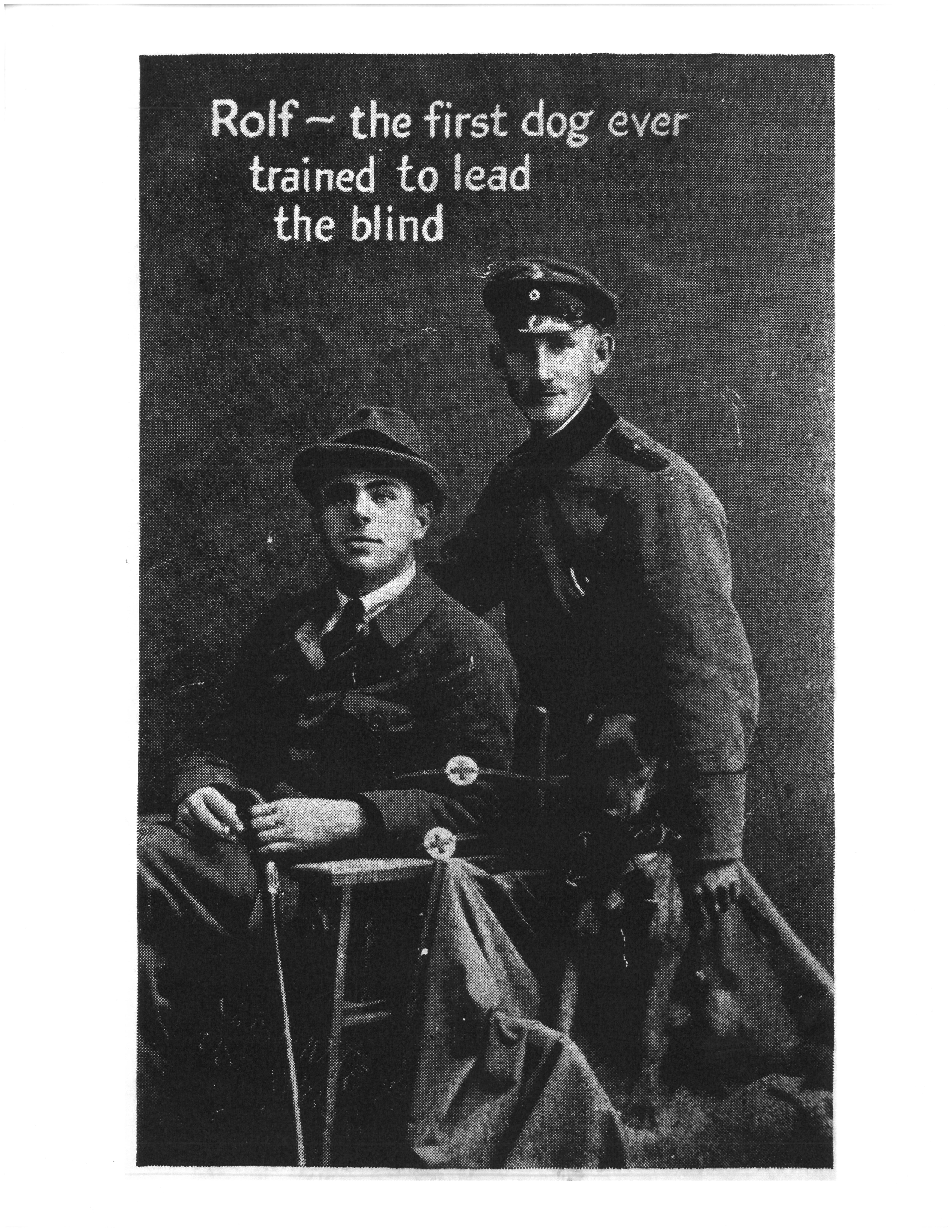
In the early 20th century, a pivotal movement began in Germany. After World War I, many soldiers returned home blinded by combat injuries. An urgent need for assistance led to the establishment of the first guide dog training school in 1916. This school, located in Oldenburg, Germany, was a trailblazer in developing techniques to train dogs to lead the blind.
How Did They Train The First Guide Dogs?
Training techniques were refined through trial and error. Initially, dogs were taught simple commands and gradually introduced to complex scenarios. Trainers focused on obedience, but they also tapped into a dog’s natural instincts to guide and protect. They discovered that consistency and patience were key in teaching dogs to navigate obstacles and safely lead their handlers.
What Challenges Did They Face?
The pioneers faced numerous challenges. Developing effective training methods required creativity and dedication. They needed to find the right breeds with the temperament and intelligence to handle the demands of guiding. Funding and public support were also significant hurdles, as the concept was new and not widely understood.
Did You Know?
Here’s an interesting fact: The first guide dogs were trained using a method that involved rewarding the dogs with food. This positive reinforcement technique is still widely used in dog training today. It highlights how early trainers’ insights continue to influence modern practices.
What Can We Learn From These Pioneers?
The story of these early trainers teaches us that innovation often starts with a single step towards solving a pressing problem. Their legacy is a testament to human and canine collaboration. As you reflect on their journey, consider how persistence and creativity can drive meaningful change in any field. Have you ever wondered what challenges you might overcome with a fresh perspective and a willingness to try new approaches? The pioneers of guide dog training remind us that even the most daunting tasks can be tackled with determination and a bit of innovation.
Evolution Of Training Methods
Guide dogs began their journey in the early 20th century. The first formal training school for guide dogs opened in 1929 in the United States. These dogs have been helping the blind navigate the world ever since.
The evolution of training methods for guide dogs has been a fascinating journey, reflecting both human innovation and our deepening understanding of canine capabilities. It’s intriguing to think about how far we’ve come from those early days when guide dogs first began leading the blind. Imagine what it must have been like to witness the transformation of a regular dog into a highly skilled guide, ready to help its human partner navigate the world with confidence.
Early Beginnings Of Guide Dog Training
In the early 20th century, guide dog training was rudimentary. Dogs were trained primarily through repetition and instinct, focusing on basic commands. Trainers relied heavily on the dog’s natural tendencies to follow and obey. The first organized school for training guide dogs was established in Germany during World War I. Soldiers who had lost their sight in battle were among the first to benefit from these specially trained dogs. This marked a significant step in formalizing the training process.
Introduction Of Positive Reinforcement
By the mid-20th century, training methods began to shift. Trainers started using positive reinforcement to encourage desired behaviors. This was a game-changer, as it emphasized rewarding the dog for good performance rather than punishing mistakes. Dogs responded enthusiastically to treats and praise, making the training process more enjoyable for both the dog and the trainer. This method also strengthened the bond between the dog and its handler, crucial for effective guide work.
Adapting To Modern Challenges
Today, guide dog training programs incorporate a range of techniques to prepare dogs for urban environments. Trainers expose dogs to diverse scenarios, such as navigating crowded streets and using public transportation. Dogs are taught to make decisions that prioritize their handler’s safety, such as stopping at curbs and avoiding obstacles. These adaptations are critical as our cities become more complex.
Personal Experience: Trusting The Process
I once watched a close friend go through the guide dog matching process. Initially, it seemed daunting—trusting a dog to lead you safely. But as she and her dog trained together, a remarkable partnership emerged. Her confidence grew with each successful outing, proving that a well-trained guide dog can transform a person’s independence. This experience made me appreciate the intricate training that goes into preparing these dogs for their vital role.
Looking To The Future
As technology advances, could we see further changes in how guide dogs are trained? Innovations such as virtual reality and AI could offer new ways to simulate real-world scenarios. The goal remains the same: to enhance the quality of life for individuals with visual impairments. Have you ever wondered what role technology might play in future training methods? As we look forward, one thing is certain—our commitment to improving the lives of the visually impaired remains steadfast. What do you think the next big breakthrough in guide dog training will be? The answer might surprise us all.

Credit: en.wikipedia.org
Credit: www.wyomingpublicmedia.org
Frequently Asked Questions
What Year Did Guide Dog Training Begin?
Guide dog training began in 1916 in Germany. It was during World War I.
Who Started Training Guide Dogs For The Blind?
The first guide dogs were trained by Dr. Gerhard Stalling. He was a German doctor.
How Did Guide Dog Training Evolve Over Time?
Guide dog training has become more advanced. It now uses positive reinforcement techniques.
Why Were Guide Dogs First Trained?
Guide dogs were first trained to help blinded soldiers. They needed assistance after World War I.
Where Was The First Guide Dog School Established?
The first guide dog school was established in Oldenburg, Germany. It was in 1916.
Conclusion
Guide dogs have a rich history of service. They first led the blind in the early 20th century. These loyal companions bring independence to many. Their training is crucial. It requires patience and dedication. Guide dogs adapt to various environments.
They navigate busy streets and quiet homes. Their ability to guide is inspiring. These dogs offer more than sight. They provide friendship and safety. Their role continues to evolve. With ongoing support, guide dogs will always be vital. They remain important partners for those in need.
A testament to the bond between humans and animals.