

Last Updated on August 11, 2026 by Jake Barkley
Are you thinking about bringing a rescue dog into your home? Congratulations on making such a rewarding choice!
Rescue dogs often come from challenging backgrounds, and giving them a loving home can be one of the most fulfilling experiences. However, you might be wondering how to help your new furry friend adjust to their new environment. Crate training can be a game-changer in providing your rescue dog with a sense of security and a place they can call their own.
But how do you start? And how can you ensure it’s a positive experience for both you and your dog? This guide will walk you through the steps of crate training, demystifying the process and setting you up for success. Dive in to discover how to create a safe haven for your rescue dog, where trust and comfort grow. You won’t want to miss these essential tips that could transform your relationship with your new pet.
Credit: www.pedigree.com
Preparing For Crate Training
Preparing for crate training a rescue dog is a crucial step that sets the foundation for a smooth transition into your home. It requires patience and thoughtfulness to ensure your furry friend feels secure and comfortable. By laying the groundwork properly, you will help your rescue dog adapt to their new environment with ease.
Understand Your Dog’s Needs
Every rescue dog has a unique background and temperament. Spend some time observing your dog to understand their behavior and preferences. Are they anxious or calm? Do they have a favorite spot in your home? Knowing these details will guide you in creating a welcoming crate environment.
Choose The Right Crate
Picking the perfect crate is essential. It should be spacious enough for your dog to stand, turn, and lie down comfortably. But not too big that it feels like an overwhelming space. Consider crates with adjustable partitions, as they can grow with your dog and offer flexibility.
Location Matters
Where you place the crate can make a big difference. Select a spot that is quiet yet close to family activity. This helps your dog feel part of the household without being overwhelmed. Avoid areas with direct sunlight or drafts, ensuring a cozy and consistent environment.
Make It Comfortable
Add soft bedding to the crate to create a comfortable haven for your dog. Consider including a few favorite toys or a piece of clothing with your scent. These small touches help your dog feel safe and connected to you, making the crate a pleasant place to be.
Introduce The Crate Gradually
Don’t rush the process. Begin by letting your dog explore the crate on their own terms. Leave the door open initially and encourage them with treats and praise. Gradual introduction helps your dog associate the crate with positive experiences, reducing any fear or anxiety.
Have you ever wondered why some rescue dogs seem to adapt seamlessly, while others struggle? The secret often lies in the preparation. Thoughtfully preparing for crate training can be the difference between a harmonious transition and a stressful one. So take the time to understand your dog’s needs and create a welcoming environment. Your rescue dog will thank you with wagging tails and happy snuggles.
Credit: www.petsradar.com
Step-by-step Training Process
Crate training a rescue dog can be a rewarding experience. It helps the dog feel secure and establishes a routine. This step-by-step process will guide you through training efficiently.
1. Choose the Right Crate
Start by selecting a crate that suits your dog’s size. The crate should be spacious for your dog to stand and turn around. Avoid crates that feel too tight or overwhelming.
2. Introduce the Crate
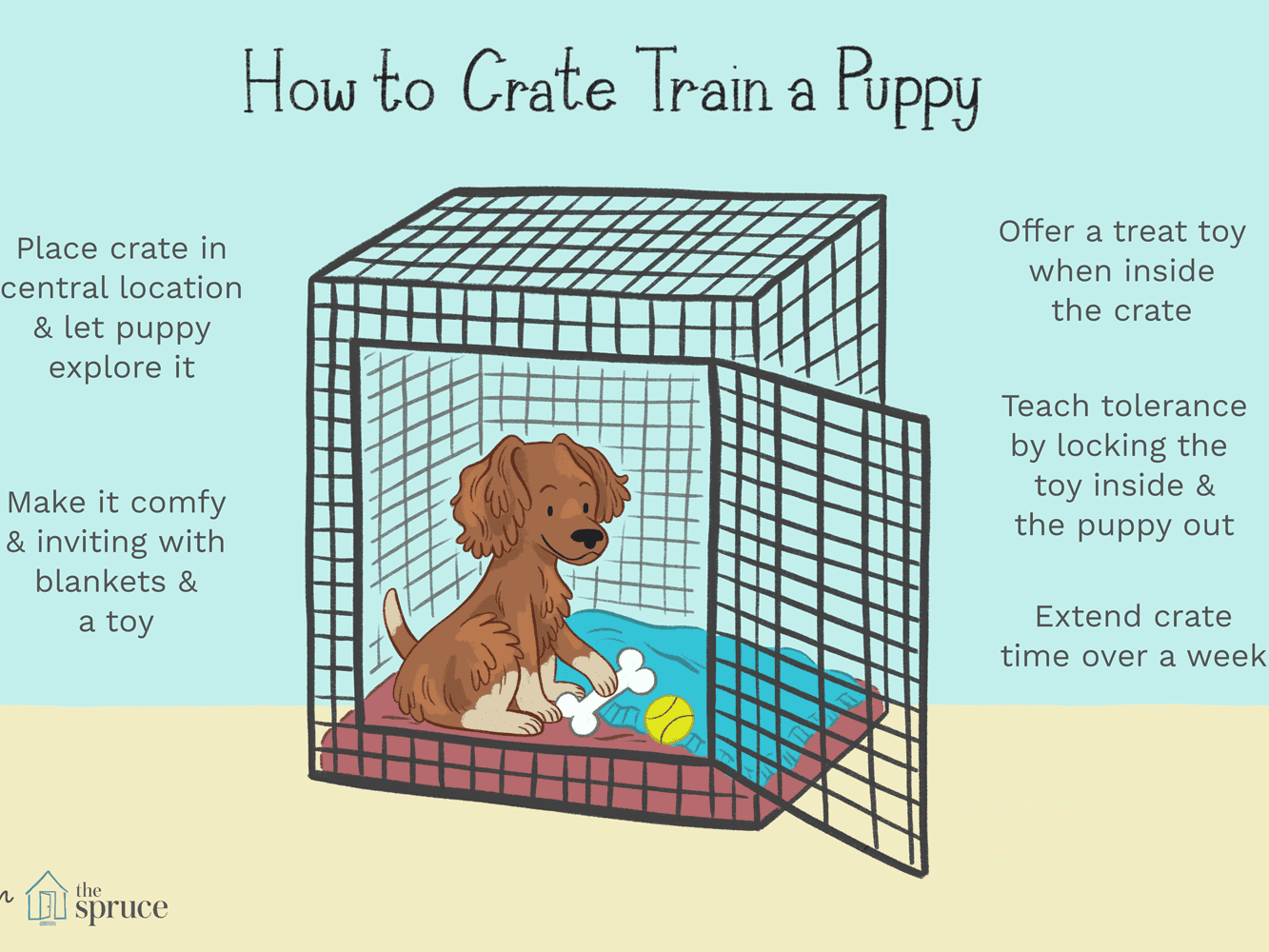
Place the crate in a quiet spot. Allow your dog to explore it. Put a soft blanket and a favorite toy inside. This creates a welcoming environment for your dog.
3. Create Positive Associations
Encourage your dog to enter the crate with treats. Praise your dog for stepping inside. Repeat this process a few times daily. Positive reinforcement builds trust.
4. Gradually Increase Crate Time
Start with short periods inside the crate. Slowly lengthen the time your dog spends inside. Observe your dog’s comfort level as you increase the duration.
5. Establish a Routine
Introduce a consistent schedule for crate time. Use it for naps and bedtime. A routine helps the dog feel secure and understand expectations.
6. Monitor Behavior
Watch for signs of stress or anxiety. Adjust the training pace if needed. Ensure your dog feels comfortable and safe in the crate.
Common Challenges And Solutions
Crate training a rescue dog often involves patience and understanding. Common challenges include anxiety and resistance to confinement. Solutions involve gradual introduction to the crate, using treats and toys for positive reinforcement, and maintaining a consistent routine to build trust and comfort.
Crate training a rescue dog can be a rewarding yet challenging experience. Each dog brings its unique set of behaviors, and rescue dogs often have backgrounds that can add complexity to the process. Understanding common challenges and finding effective solutions can make this journey smoother for you and your furry companion.
Understanding Your Dog’s Past
Before beginning crate training, consider your rescue dog’s past. Dogs that have experienced neglect or abuse might view the crate with fear. This can make them resistant to crate training. Observe your dog’s reactions and take things slowly. If your dog seems scared, try placing treats and toys inside the crate to create positive associations. This small step can encourage them to explore the crate on their own.
Separation Anxiety
Many rescue dogs suffer from separation anxiety. This can make them bark, whine, or even destroy items when left alone in the crate. Have you noticed these signs when leaving your dog alone? To ease their anxiety, start by leaving them in the crate for short periods while you’re home. Gradually increase the duration as they become more comfortable. Consistency and patience are key here.
Resistance To Enter The Crate
Sometimes, rescue dogs may simply refuse to enter the crate. This challenge can be frustrating, but it’s not insurmountable. Have you considered making the crate more inviting? Place a soft blanket and some of their favorite toys inside. Let your dog see you placing a treat inside and then wait patiently. Reward them with praise and a treat when they step in, even if it’s just a paw at first.
Crate Aversion Due To Previous Trauma
Some rescue dogs may have negative associations with crates due to past trauma. Does your dog back away or show signs of stress near the crate? In such cases, try using a different type of crate. A more open design might feel less confining. You could also try covering the crate with a blanket to create a den-like environment, which can be comforting.
Inconsistent Training Practices
Inconsistency can confuse your dog and slow down the training process. Are you and your family on the same page with training methods? Ensure everyone uses the same commands and rewards. Create a schedule and stick to it. This consistency helps your dog understand what to expect and what’s expected of them. By addressing these common challenges with empathy and patience, you can help your rescue dog feel safe and secure in their crate. What challenges have you faced while crate training your rescue dog? Share your experiences and solutions in the comments below.
Credit: www.oaklandanimalservices.org
Frequently Asked Questions
How Long Does Crate Training A Rescue Dog Take?
Crate training duration varies. Typically, it takes a few weeks. Patience and consistency are key.
What Size Crate Is Best For A Rescue Dog?
Choose a crate where your dog can stand, turn, and lie comfortably. Size matters for comfort.
Can You Crate Train An Older Rescue Dog?
Yes, older dogs can be crate trained. Just go slowly and reward progress. Consistency helps.
Why Does My Rescue Dog Cry In The Crate?
Dogs cry due to anxiety or discomfort. Ensure the crate is cozy. Gradual acclimation helps reduce stress.
Should I Cover My Dog’s Crate At Night?
Covering the crate can create a den-like space. It helps some dogs feel secure. Monitor your dog’s comfort.
What Are The 5 Golden Rules Of Dog Training? Explained
Conclusion
Crate training a rescue dog builds trust and comfort. It takes patience. Dogs learn to feel safe in their crates. Consistency is key. Use positive reinforcement to encourage good behavior. Gradually increase crate time. Never use the crate as punishment.
Your dog needs to feel secure. Celebrate small victories. Every dog learns at its own pace. Keep the experience positive and calm. This strengthens your bond with your rescue dog. Enjoy the journey together. Creating a safe space means happier, confident pets.
With love and care, your dog will thrive.